How to choose a front door: a complete buying guide
September 3, 2026
A month ago, if you'd told me picking a front door would come with so many choices, I wouldn't have believed you. It's a door: it opens, it closes, it keeps the weather out, and of course, it should look beautiful too. How many decisions could that really involve?
Apparently, a lot!
The moment we started shopping, I understood exactly why this project had been sitting on our to-do list for over a year. One trip to Lowe's and a few tabs of manufacturer websites later, I was drowning in materials, configurations, style options, and glass details I didn't even know were a thing.
So if you're standing at the same crossroads we were, here's how we worked through it, category by category, to land on the door that actually felt right for our house.
Material: where function meets weather
Your material choice sets the foundation for durability, ongoing maintenance, price point, and how well the door holds up to your climate. Once you start browsing exterior doors, you'll find the options mostly fall into three main categories.
Wood
Nothing beats the warmth and timeless character of real wood. The trade-off is upkeep. Without regular staining or sealing, wood can warp, swell, or break down under intense sun, heavy rain, or big seasonal swings.
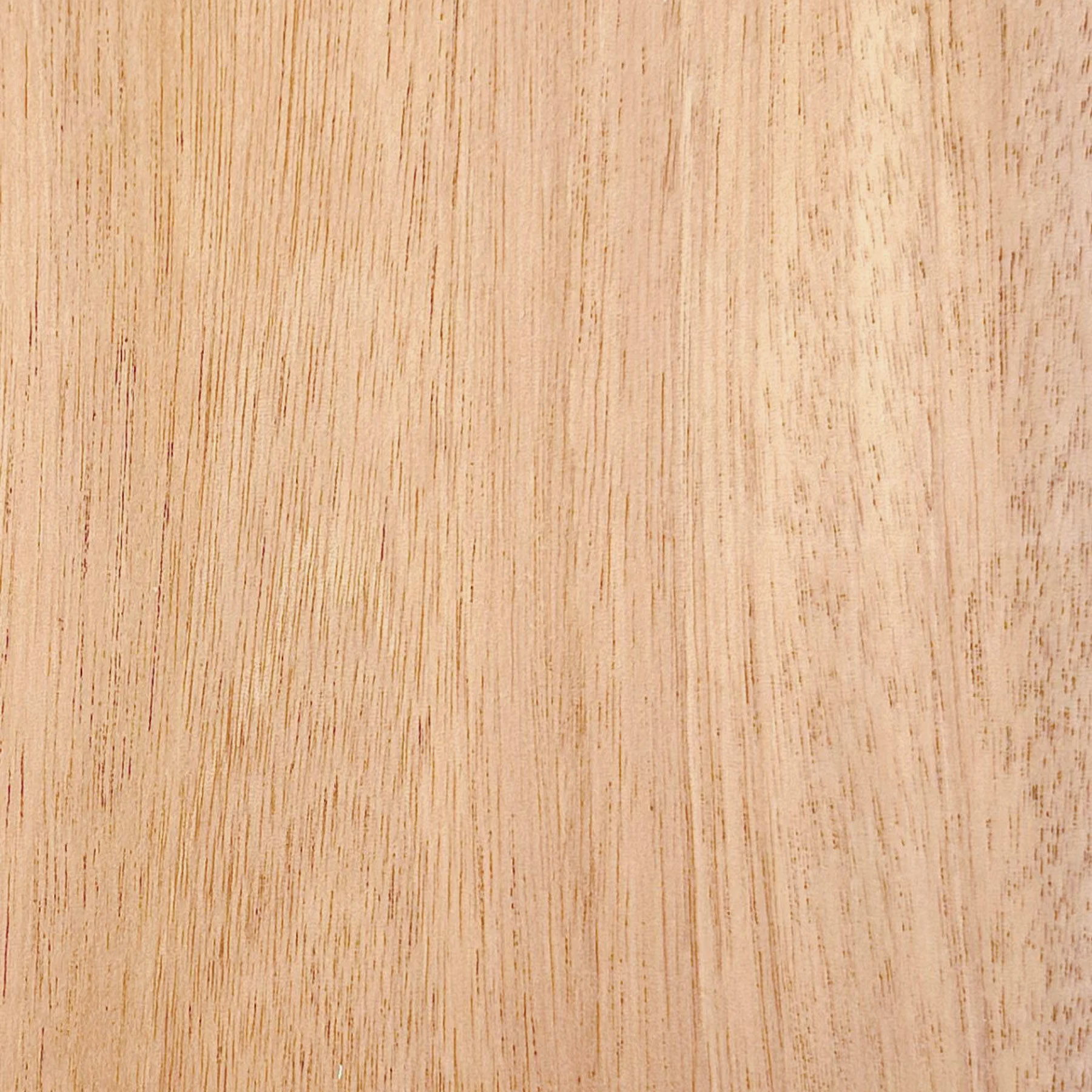
Mahogany: A stable, dense hardwood with rich reddish-brown tones and a tight, consistent grain. It resists warping, shrinking, and rot better than almost any other wood, which makes it the go-to for doors that take real weather exposure.
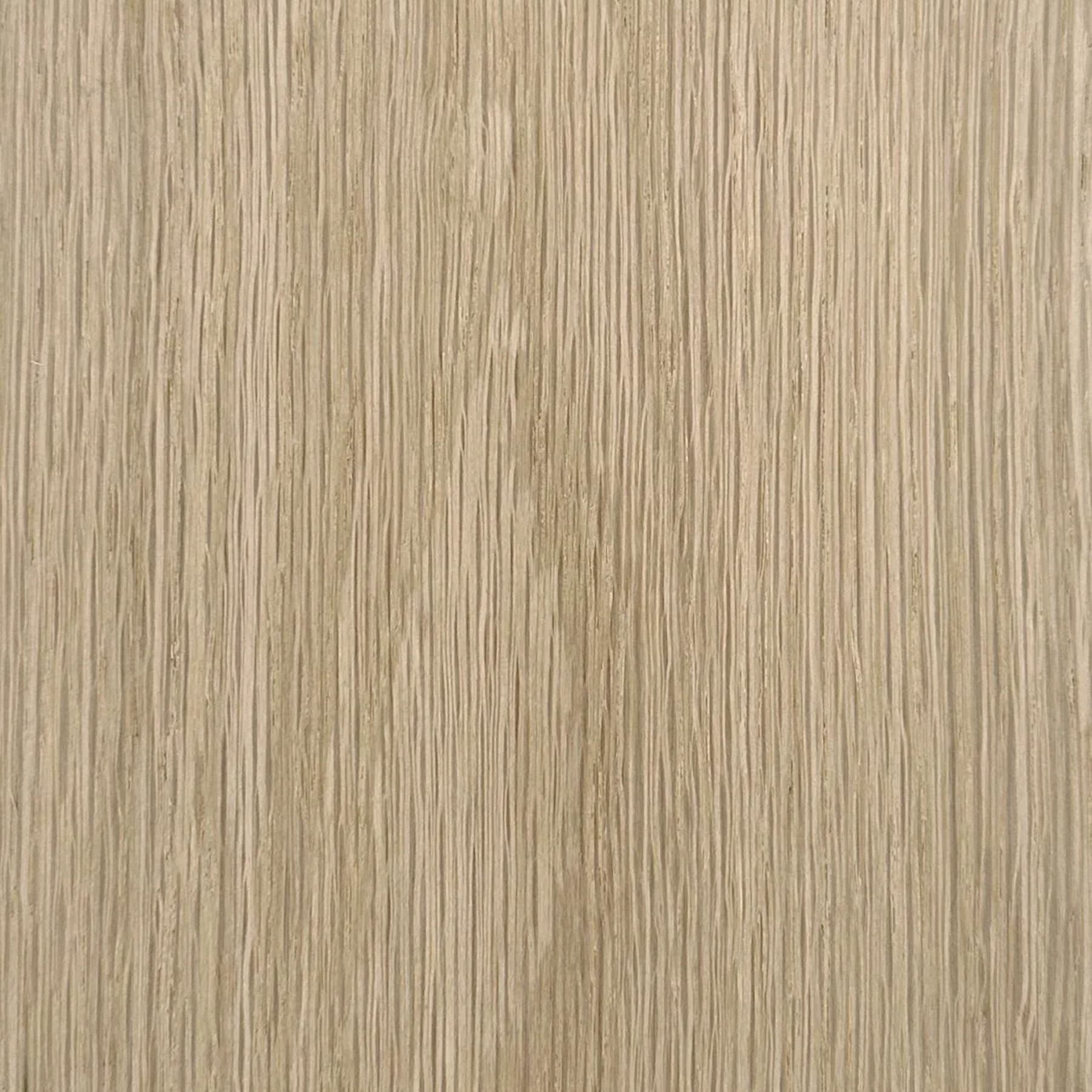
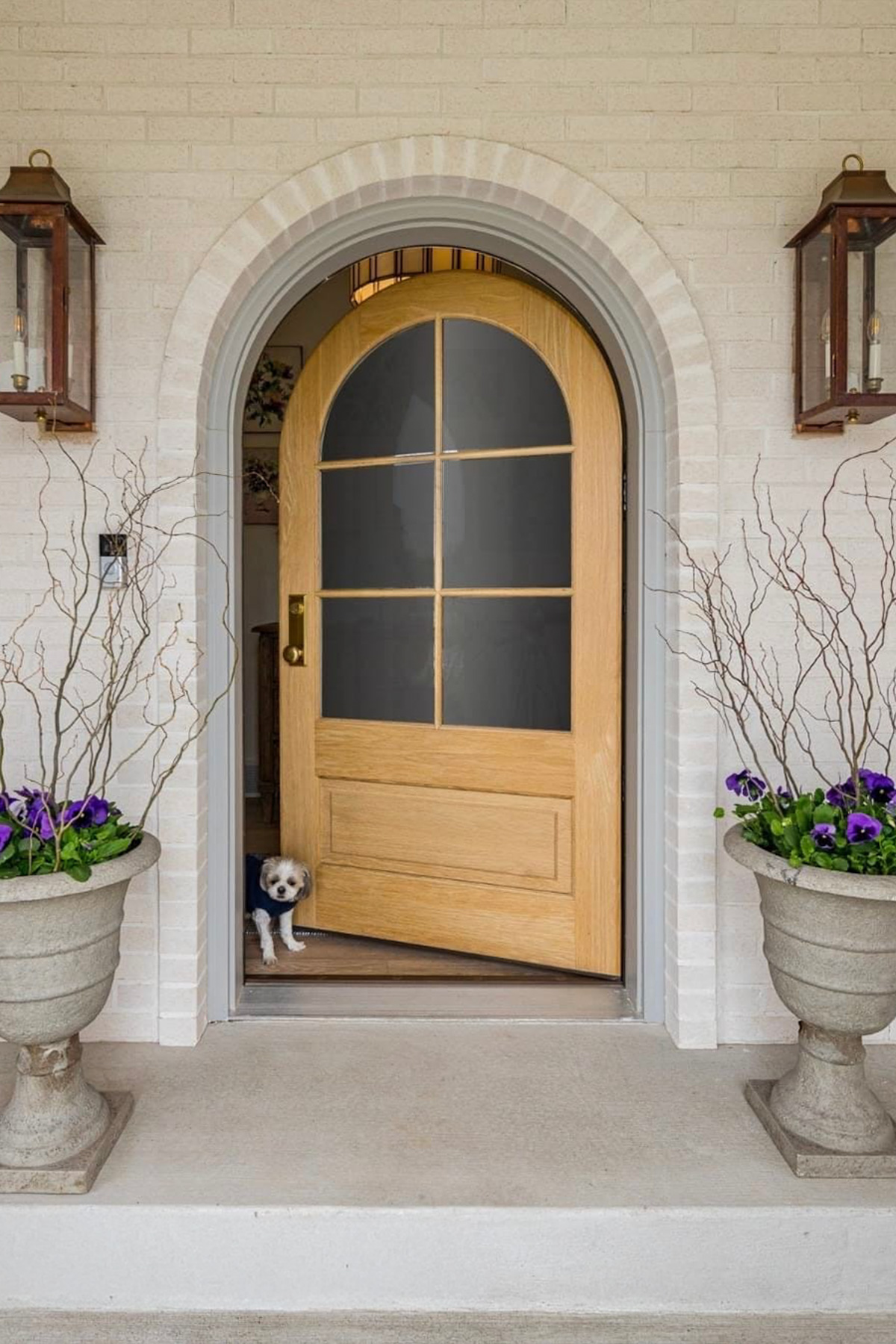
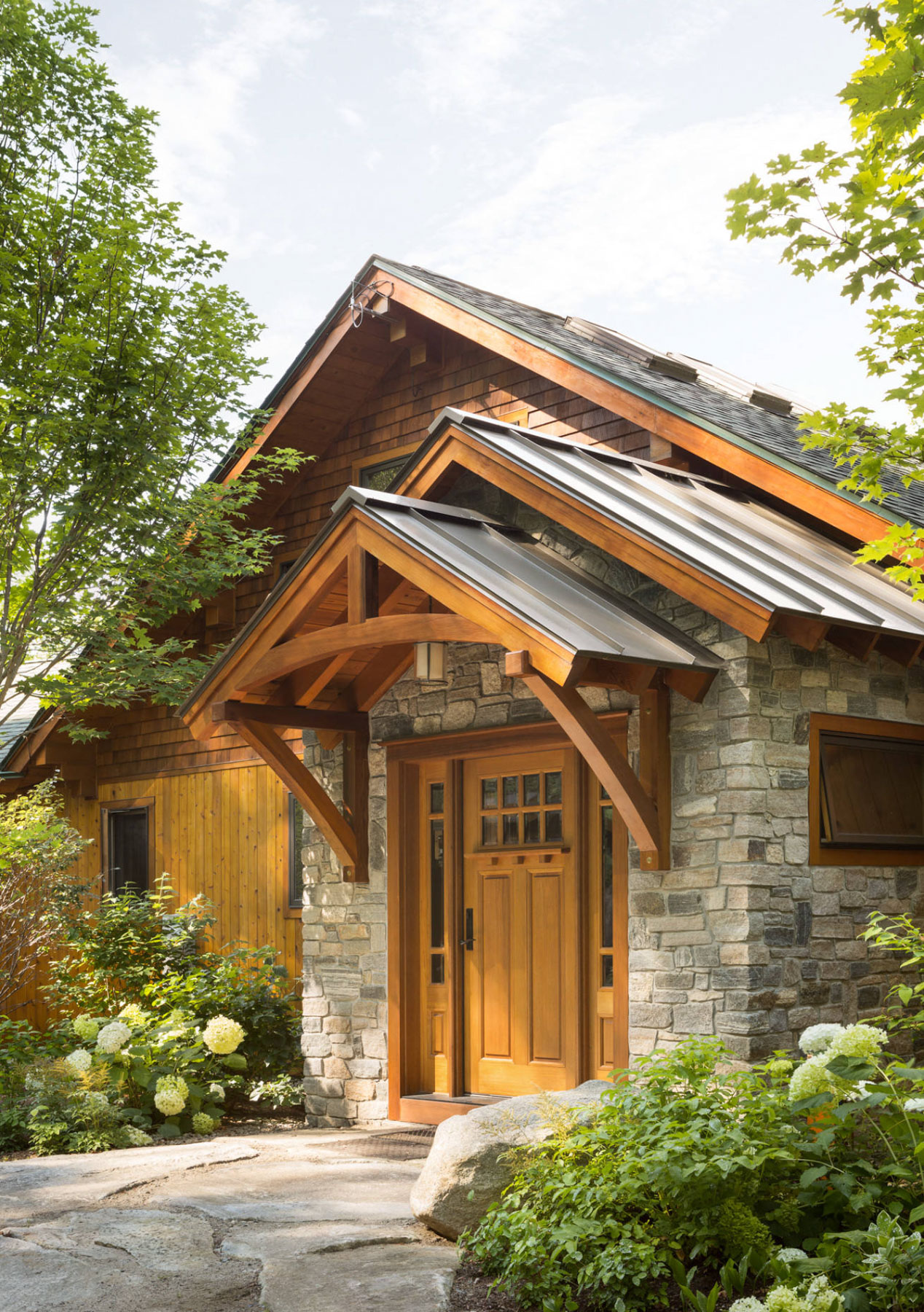
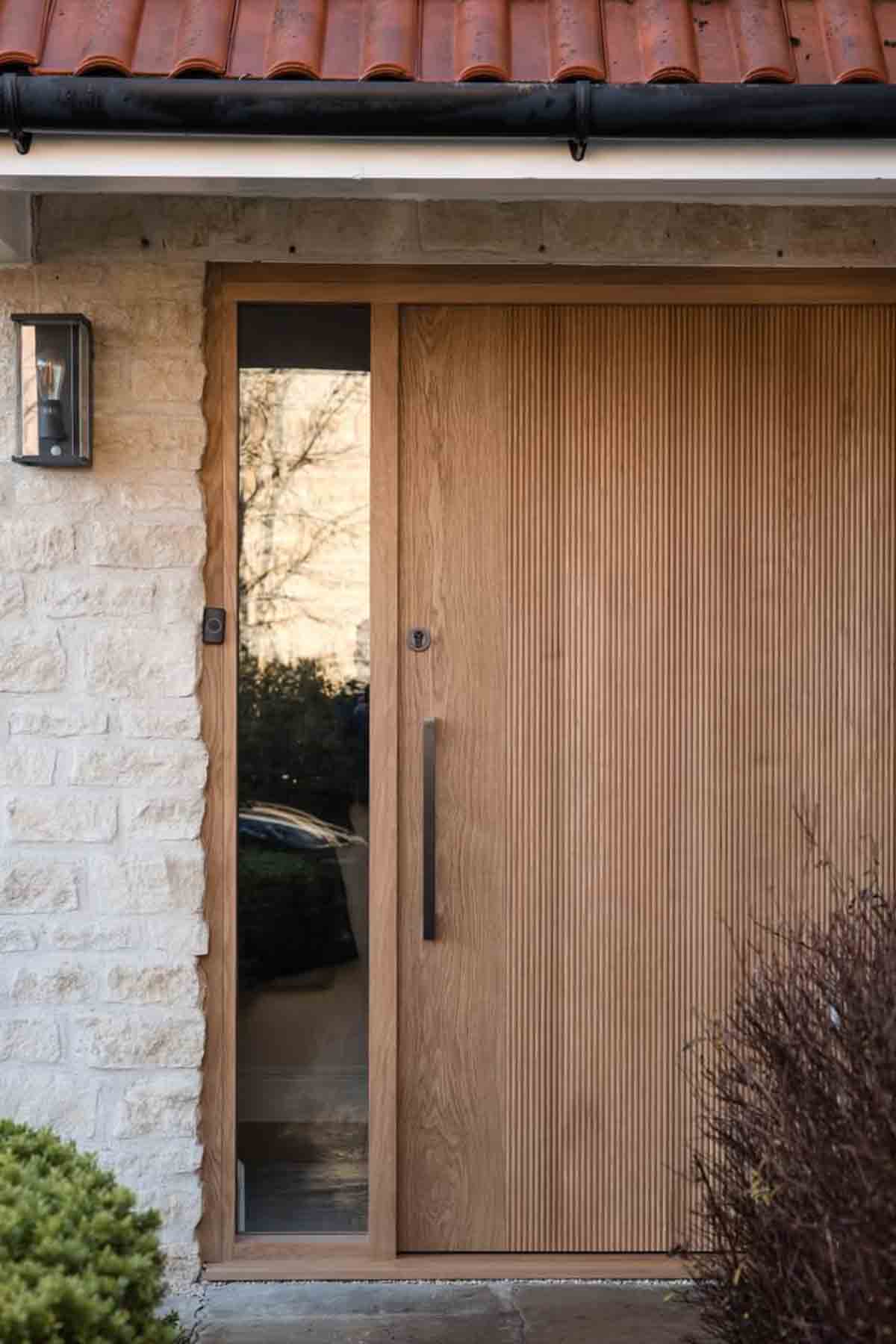
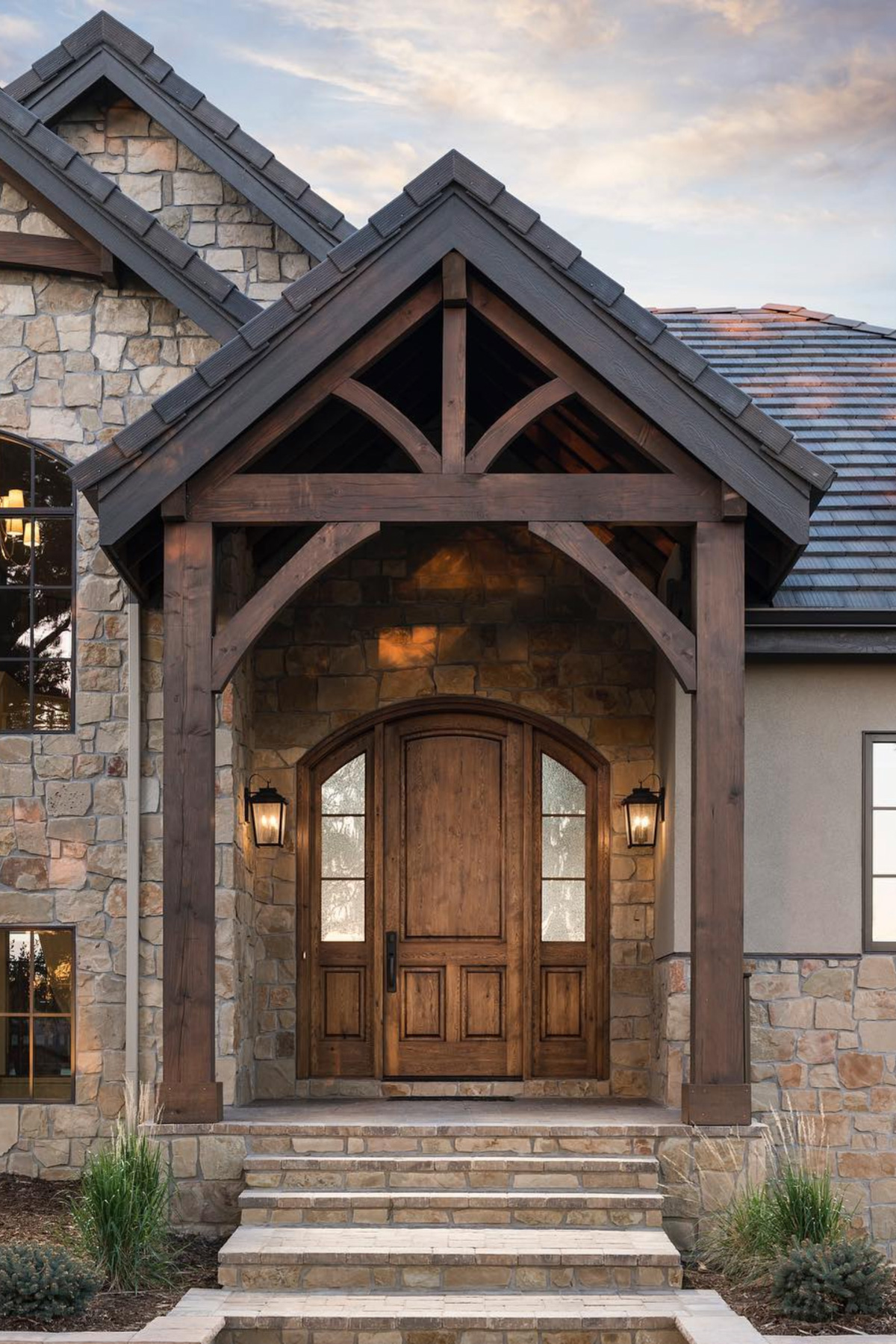
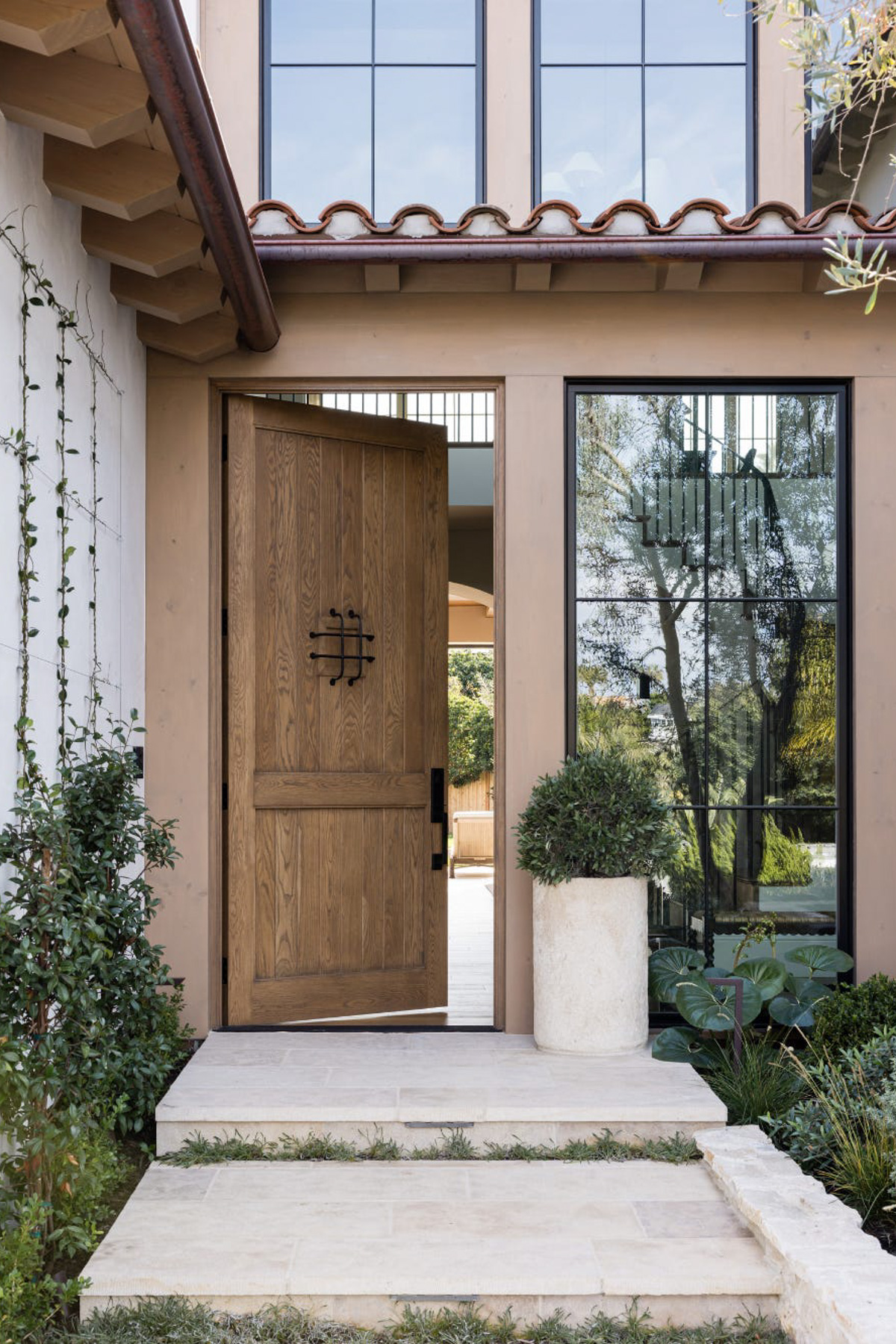
White oak: A domestic hardwood with a closed-cell structure that sheds water instead of absorbing it. Quarter-sawn or plain-sawn white oak has clean, classic graining that suits Craftsman-style doors and holds its shape well over time.
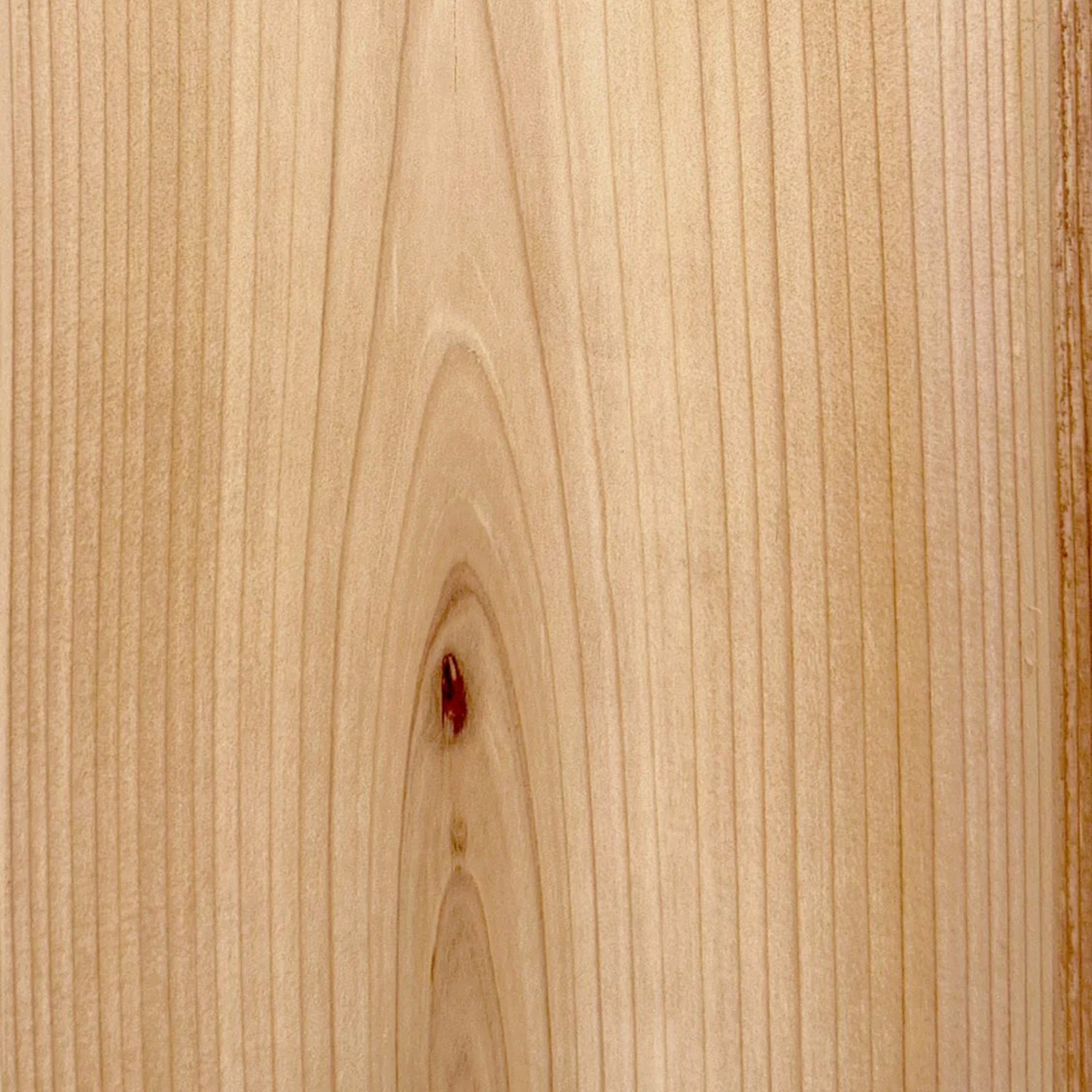
Western red cedar: Naturally rich in oils that resist rot, decay, and insects, cedar handles moisture swings well. It's lighter and softer than oak or mahogany, though, so it dents more easily.
Black walnut: Deep, dark brown tones with real luxury character. It does best tucked under a covered porch, since direct sun fades its rich color faster than you'd expect.
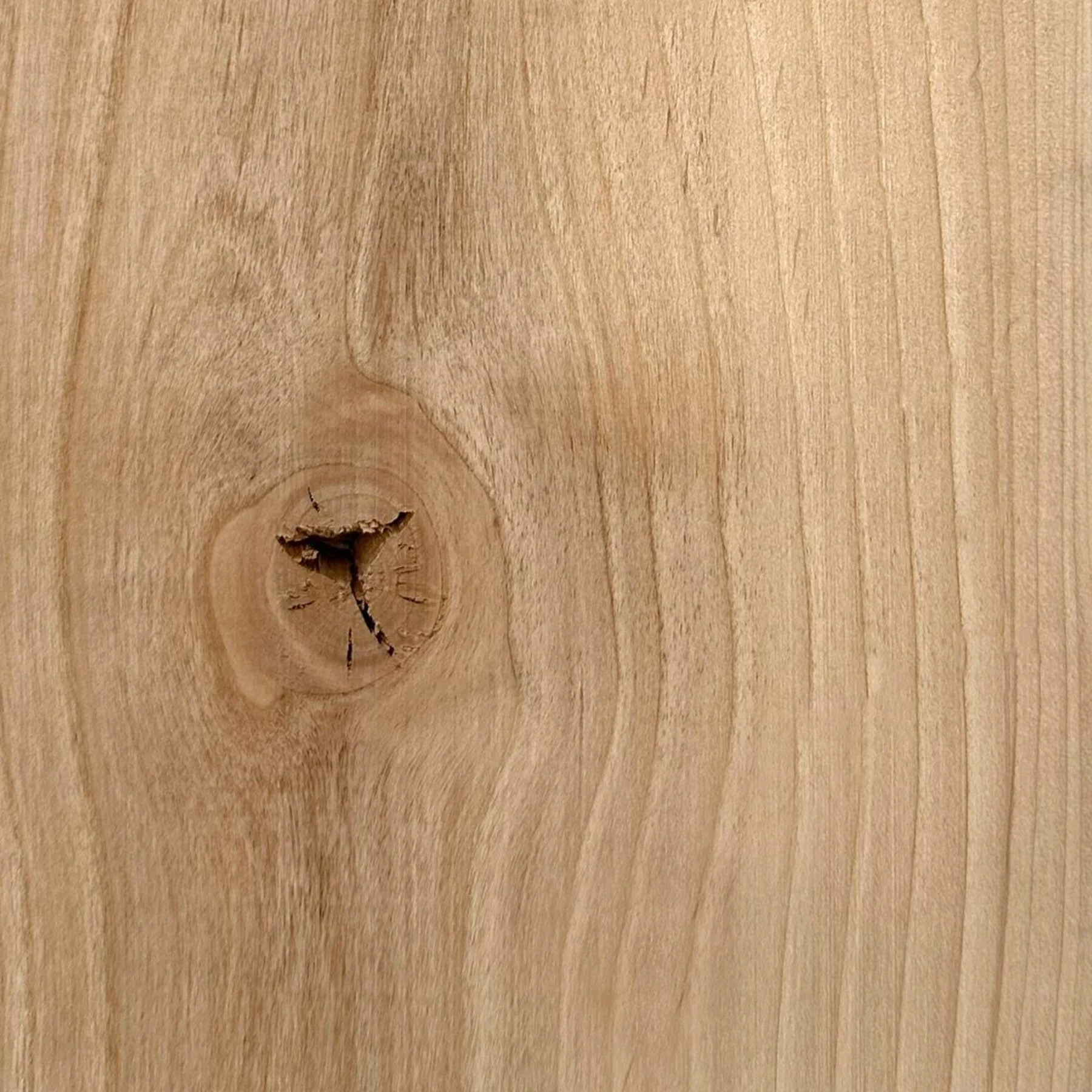
Knotty alder: An easy-to-stain, budget-friendly option that suits rustic, farmhouse, or country looks. Because it's a softer wood, it needs a well-protected entry and consistent resealing to hold up.
Mahogany
White oak
Western red cedar
Knotty alder
A few things worth knowing before you commit to wood:
Overhang depth matters more than you'd think. Measure how much coverage your porch actually provides. If it's exposed to direct sun and rain with little to no overhang, stick to a high-stability species like mahogany or white oak.
Solid wood vs an engineered core. Traditional solid stiles and rails can shift with big humidity changes. Many higher-end wood doors now use an engineered core, layered wood veneers over a stable multi-ply center, so you get real hardwood on the surface without the warping risk.
Budget for maintenance. Even a great finish (marine-grade spar varnish, exterior polyurethane, UV-blocking stain) needs reapplying every 2 to 5 years to keep moisture out.
Fiberglass
The ultimate chameleon. Modern fiberglass can convincingly mimic rich wood-grain finishes or go completely smooth for a sleek, modern look. It insulates well, needs almost no maintenance, and won't rot or dent the way other materials can. High-quality fiberglass doors are filled with dense polyurethane foam, which often gives them double or triple the insulating value of solid wood.
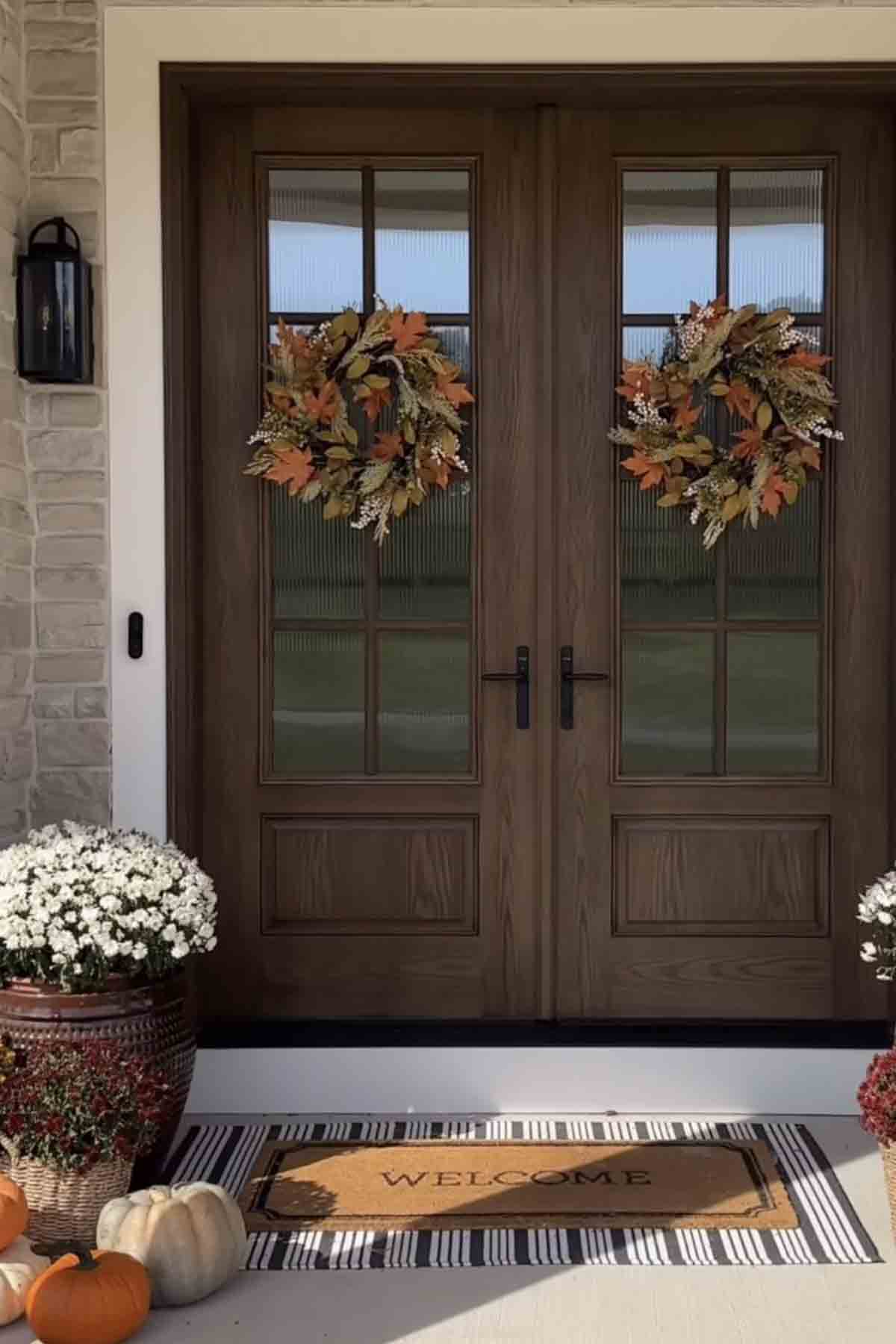
Wood-grain textured (stain-grade): Molded from real wood slabs (oak, mahogany, fir, cherry) to capture natural, deep grain patterns. Choose this if you want to stain it for the rich look of real wood, minus the risk of rot and warping.
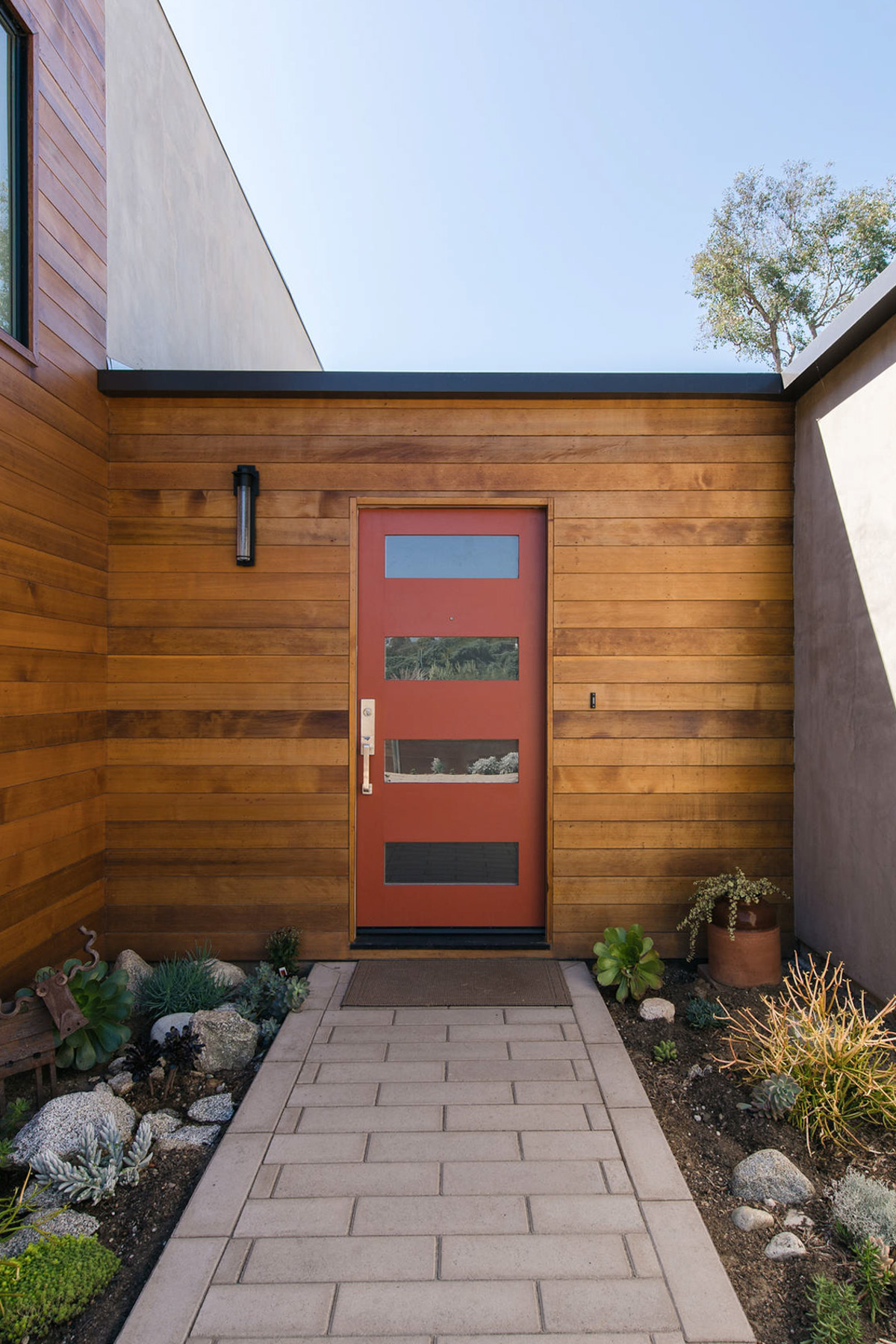
Smooth (paint-grade): A completely flat, non-textured surface. Ideal for clean modern or contemporary looks, or for bold, crisp paint colors like teal, red, or navy.
Maximum security, real structural presence, and a material that's built to last. Heavy iron doors make a bold architectural statement, but they need strong framing and a proper thermal break to stay energy efficient. Metal conducts heat and cold straight through, so a thermally broken door adds a continuous resin or composite barrier between the exterior and interior frames to stop that transfer and keep frost or condensation from forming inside.
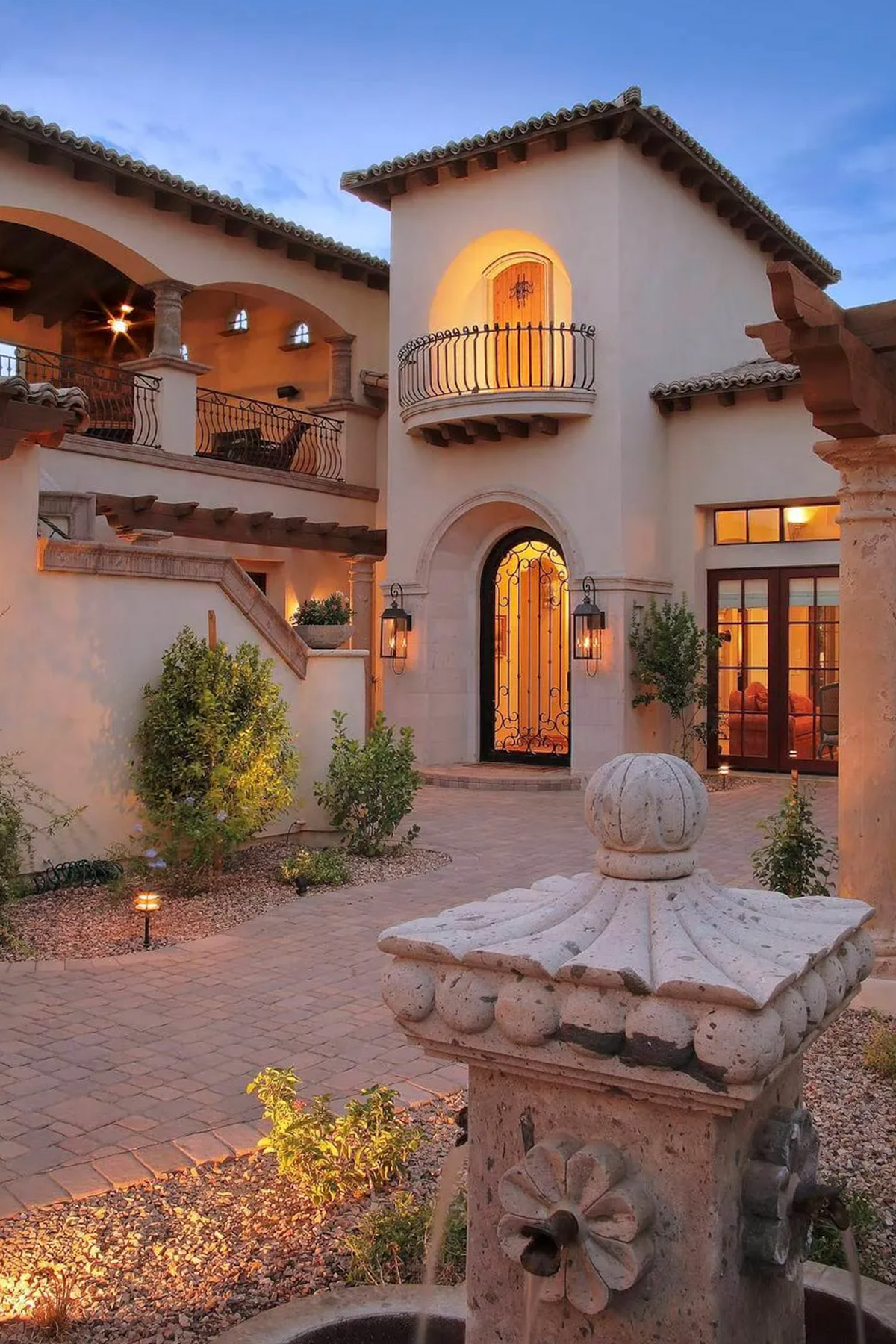
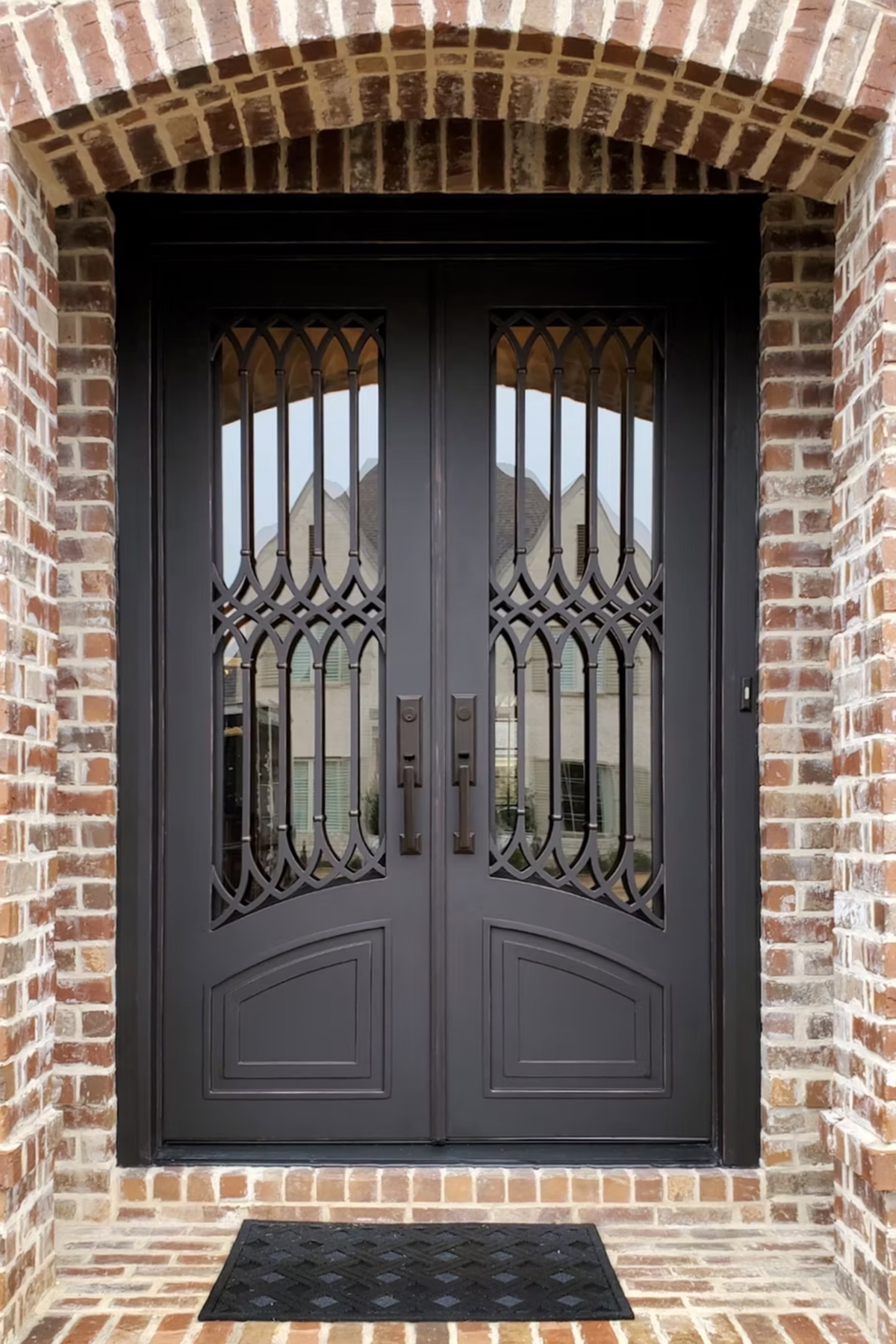
Wrought Iion: Heavy-gauge, hand-sculpted doors often found on Mediterranean or dramatic luxury entrances. They usually feature decorative scrollwork or operable glass panels that swing open independently for easy cleaning and airflow.
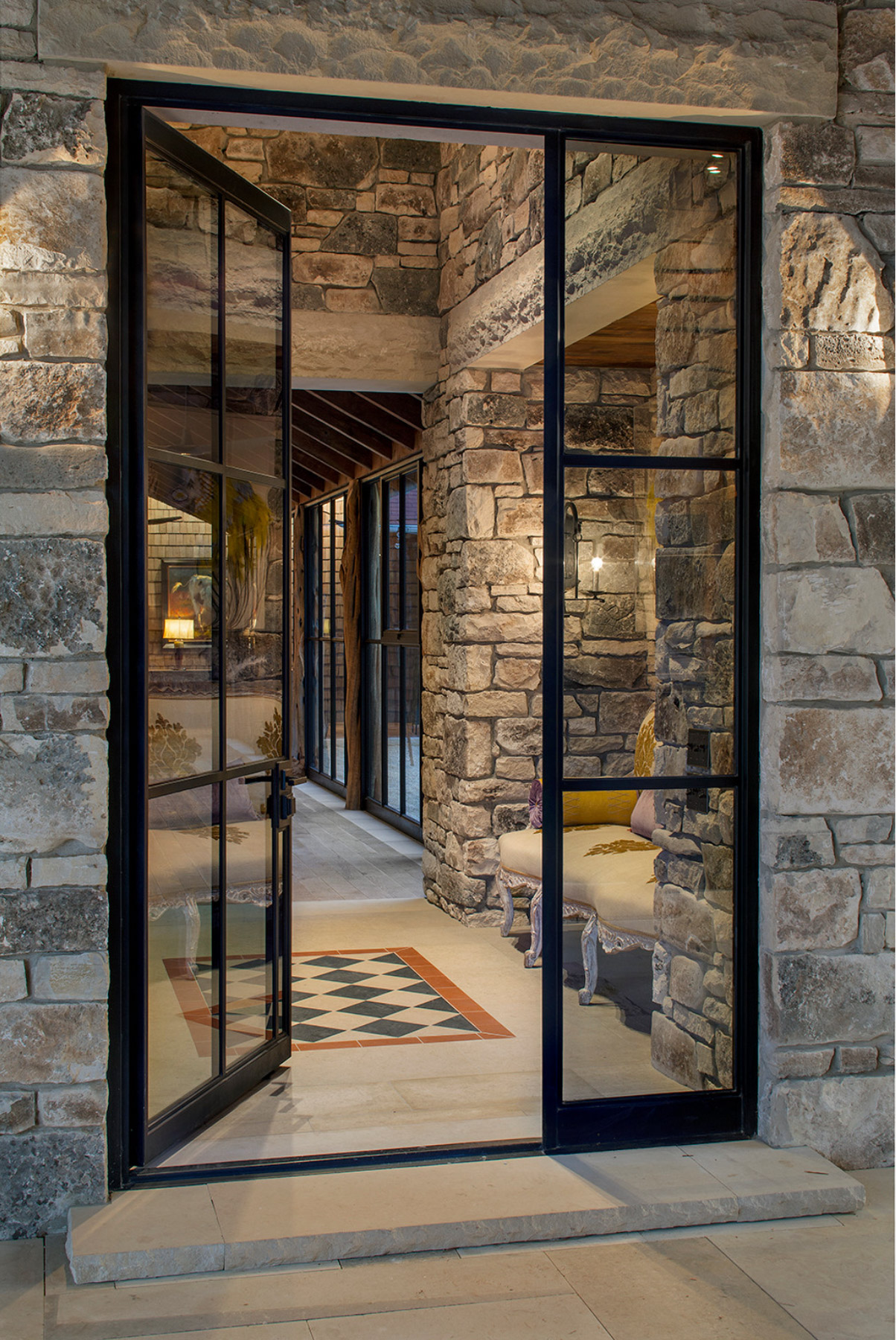
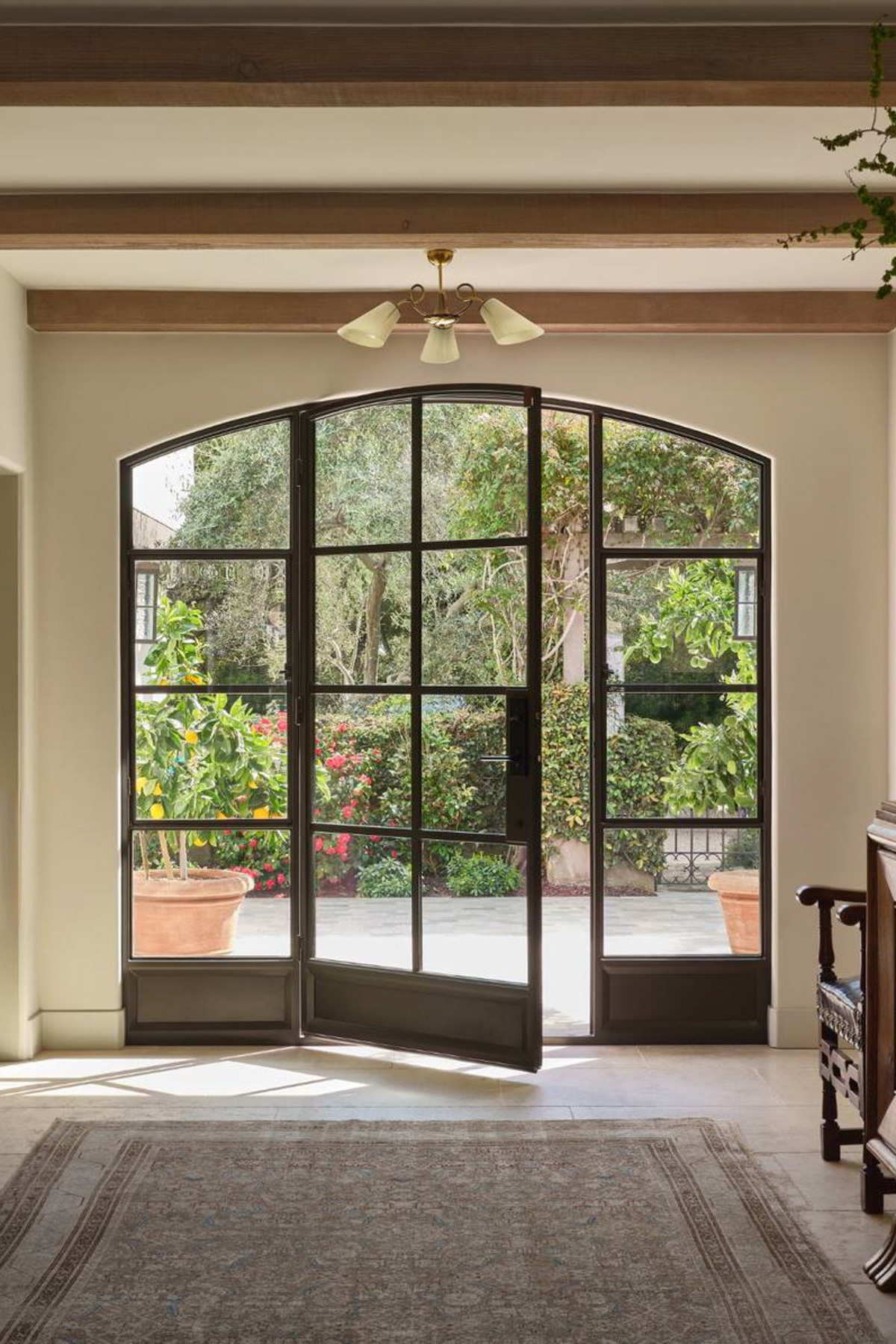
Slimline steel-framed: Ultra-thin, sleek black steel framing around large glass panes, built for industrial, loft, or minimalist glass entryways.
Configuration: single, double, or something bolder
How your door opens up isn't just about looks; it changes the scale of your entryway and how traffic flows into your home.
Single: The standard, classic layout. Versatile, cost-effective, and fits a standard entryway opening without extra planning.
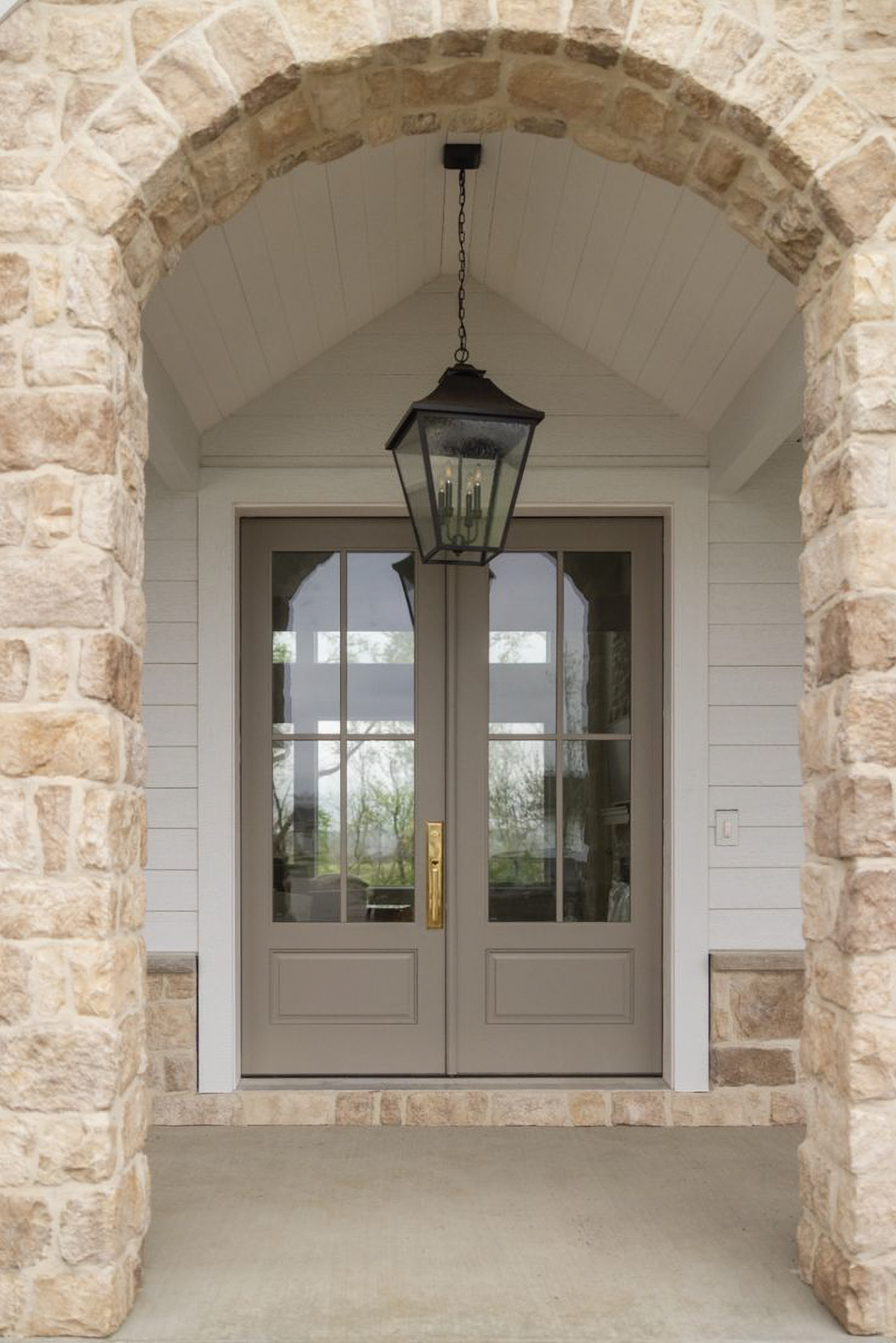
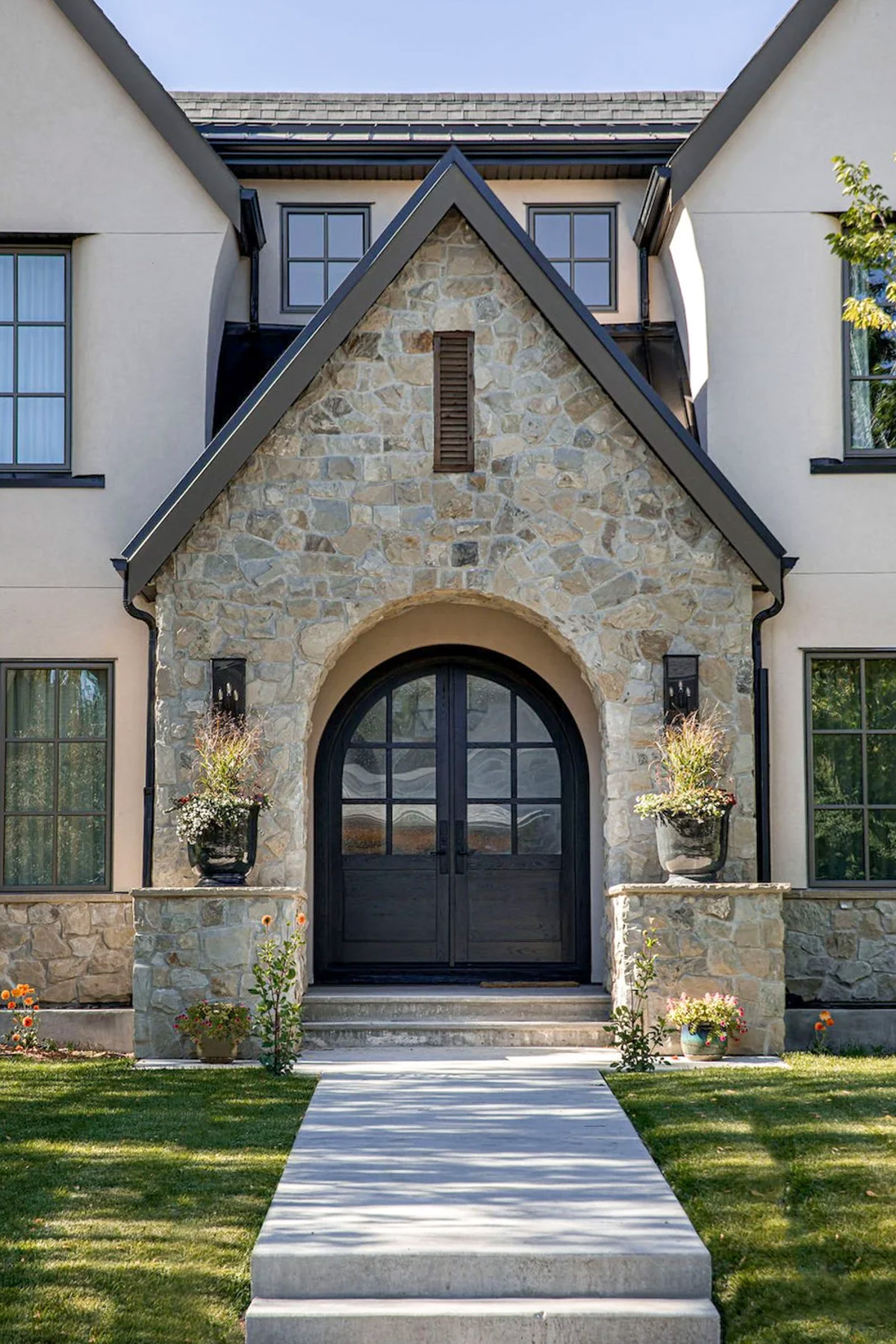
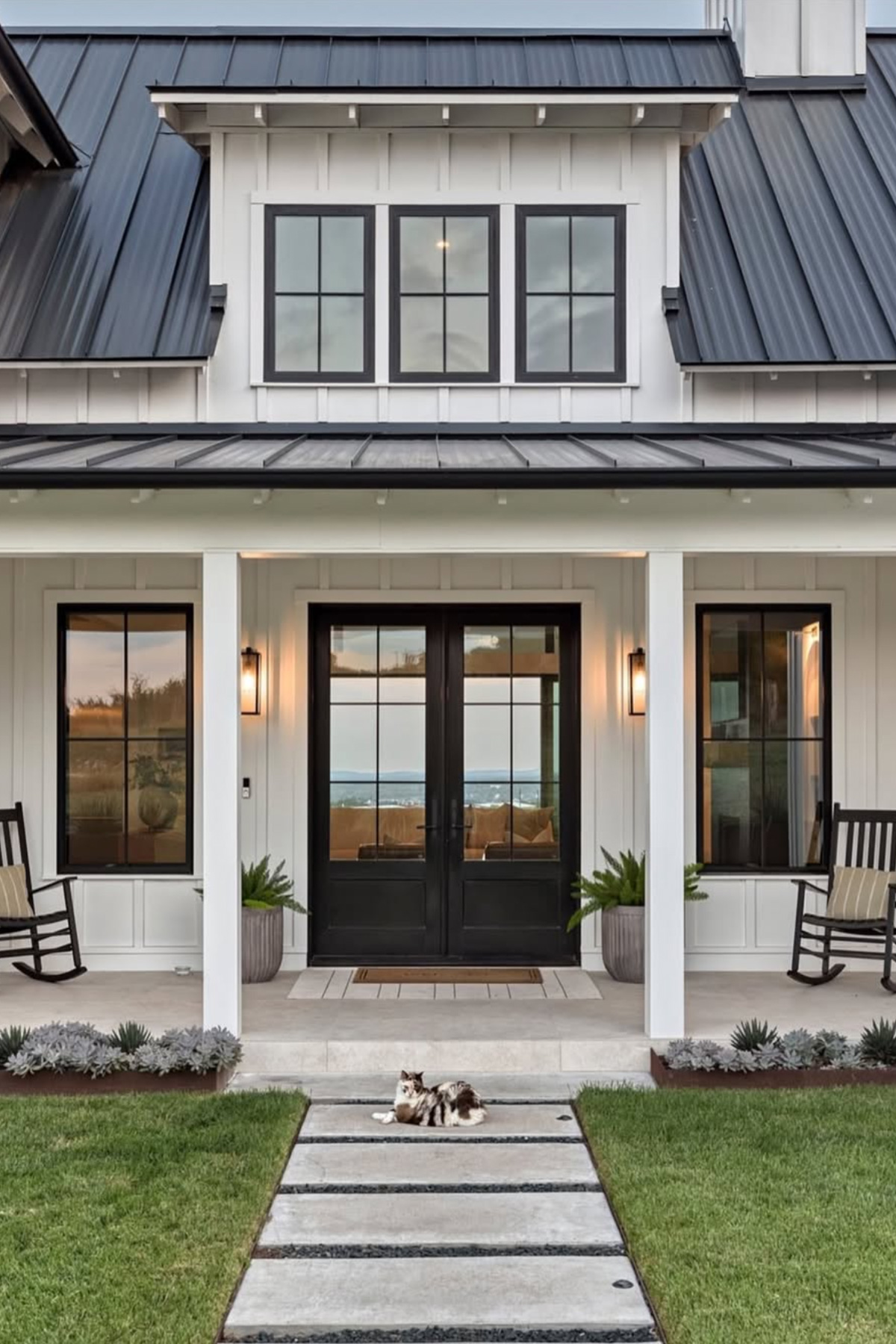
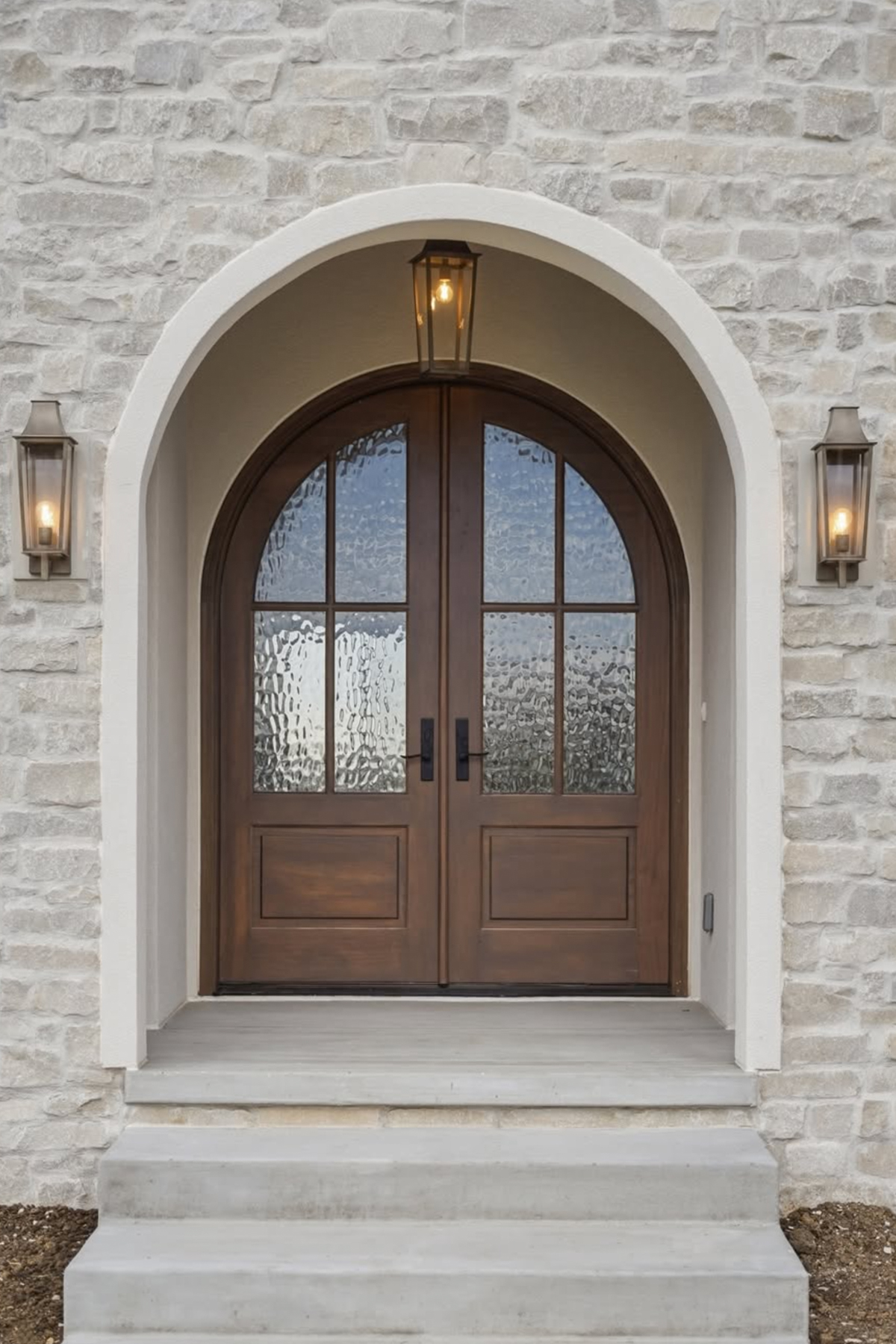
Double: Creates a grand, dramatic entrance. It's a great fit for larger entry halls or homes where you want the front door itself to make a statement. Keep in mind it requires a wider structural opening than a single door, which can mean more framing and cost, especially in a retrofit.
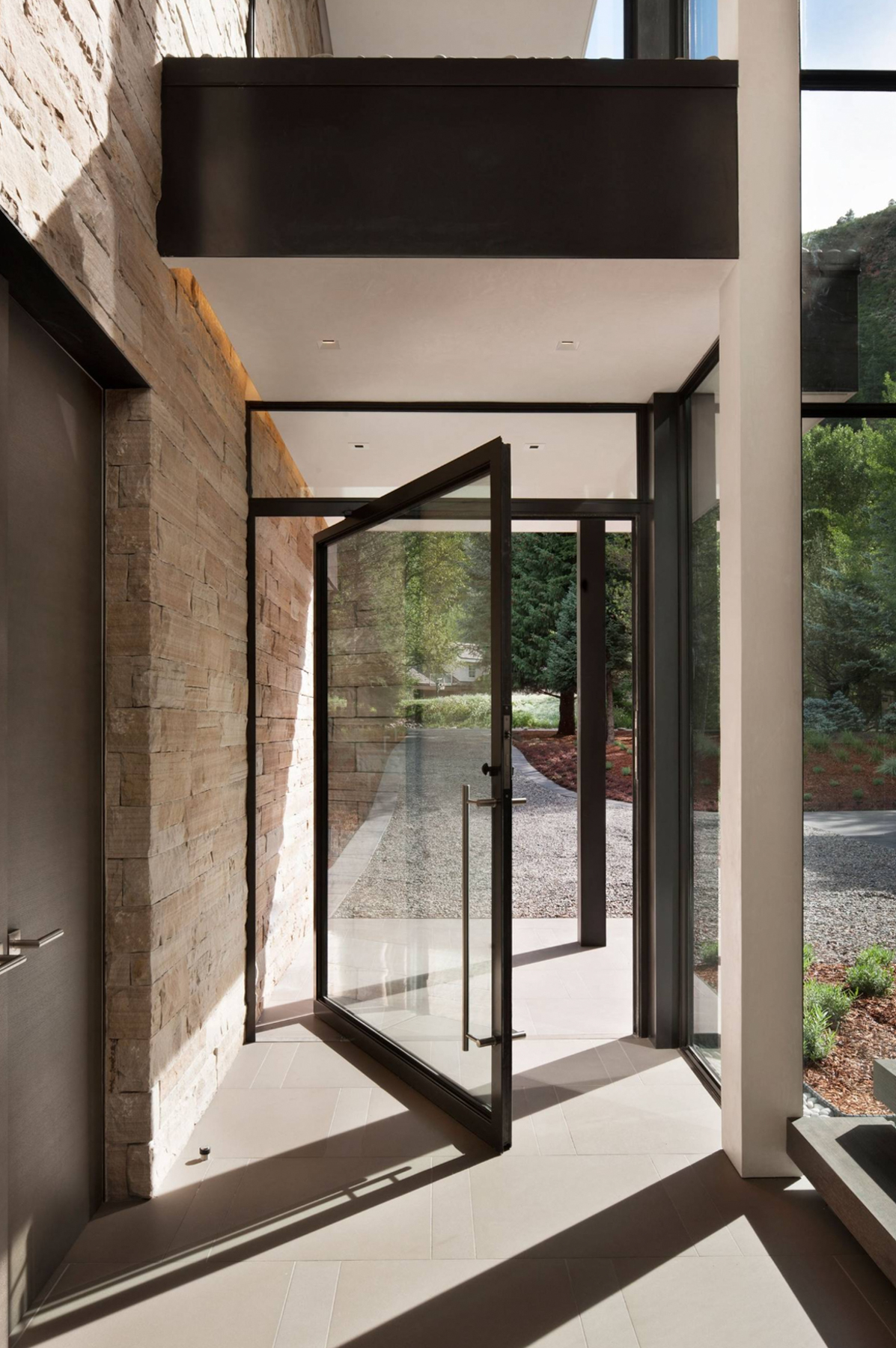
Pivot: A modern, high-end statement. Instead of swinging on side hinges, pivot doors rotate on a spindle system, letting you incorporate a massive, oversized slab that still swings open easily.
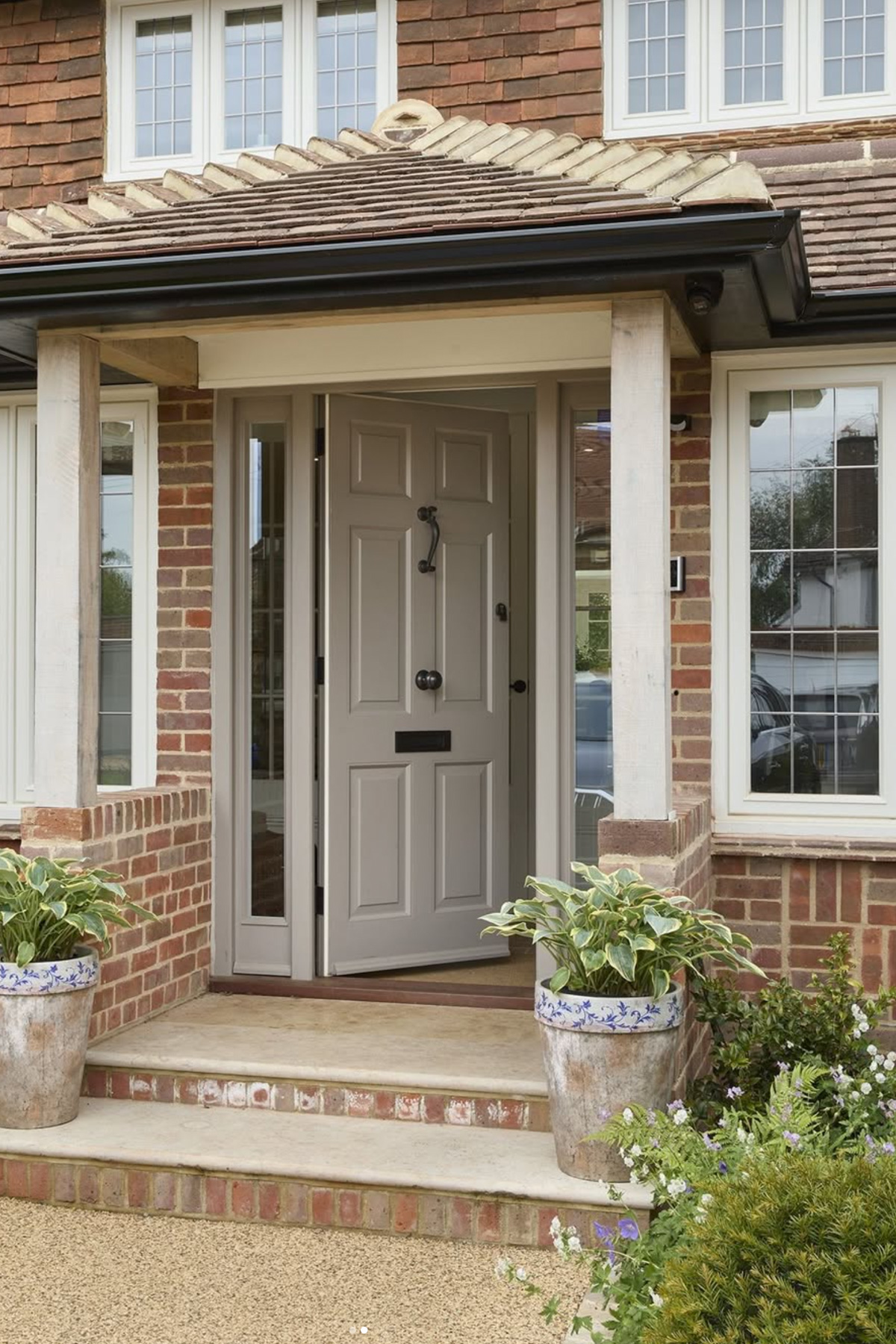
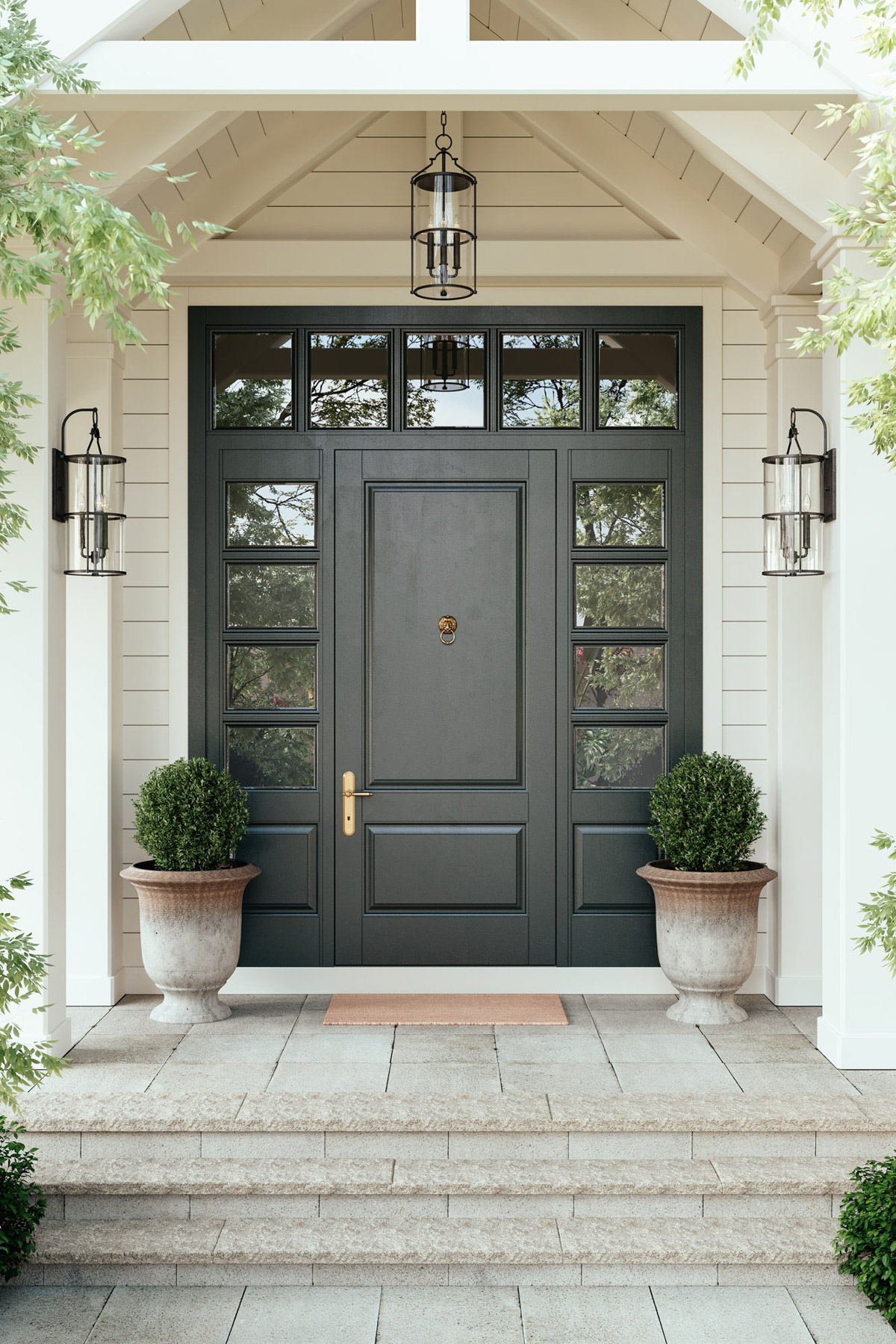
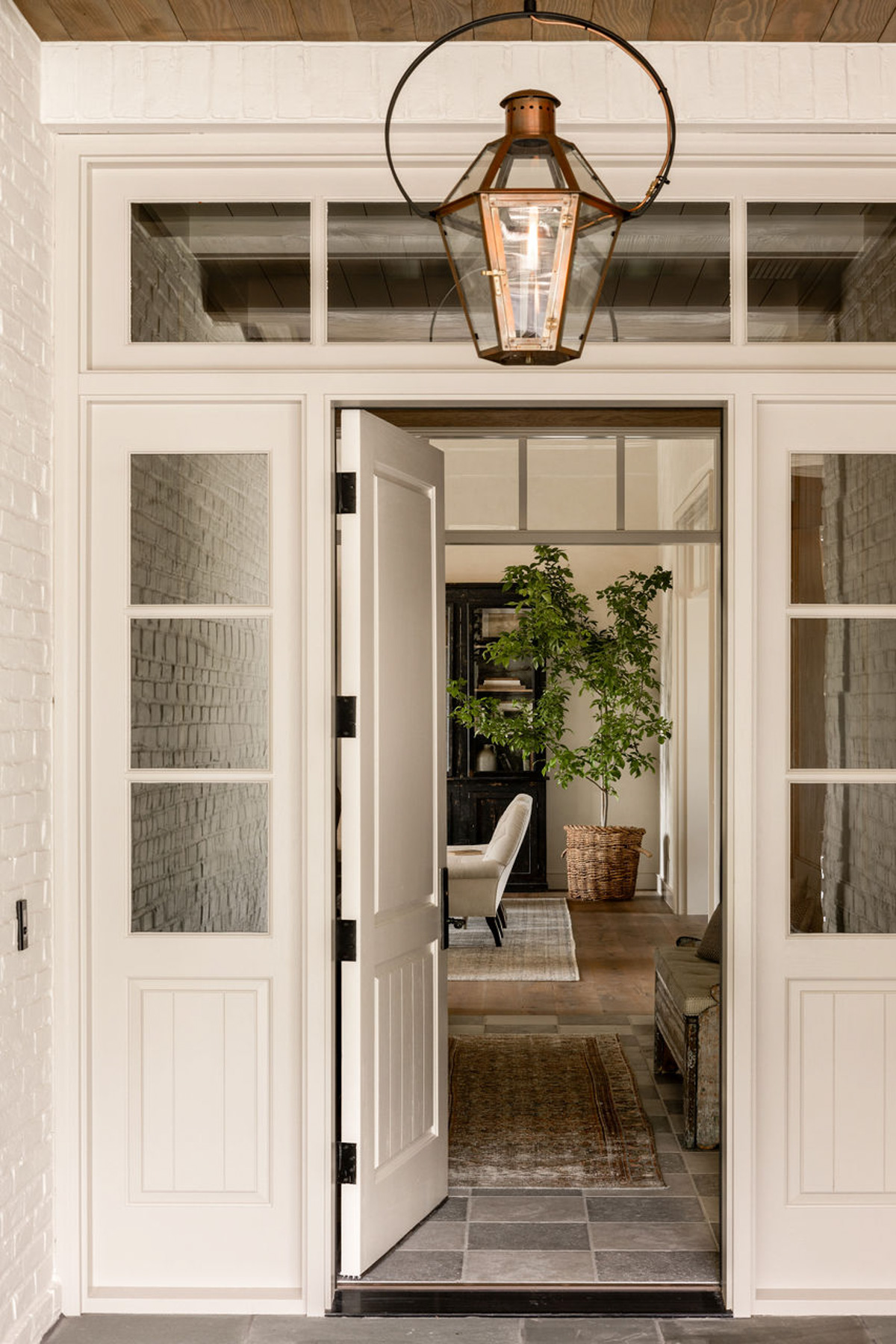
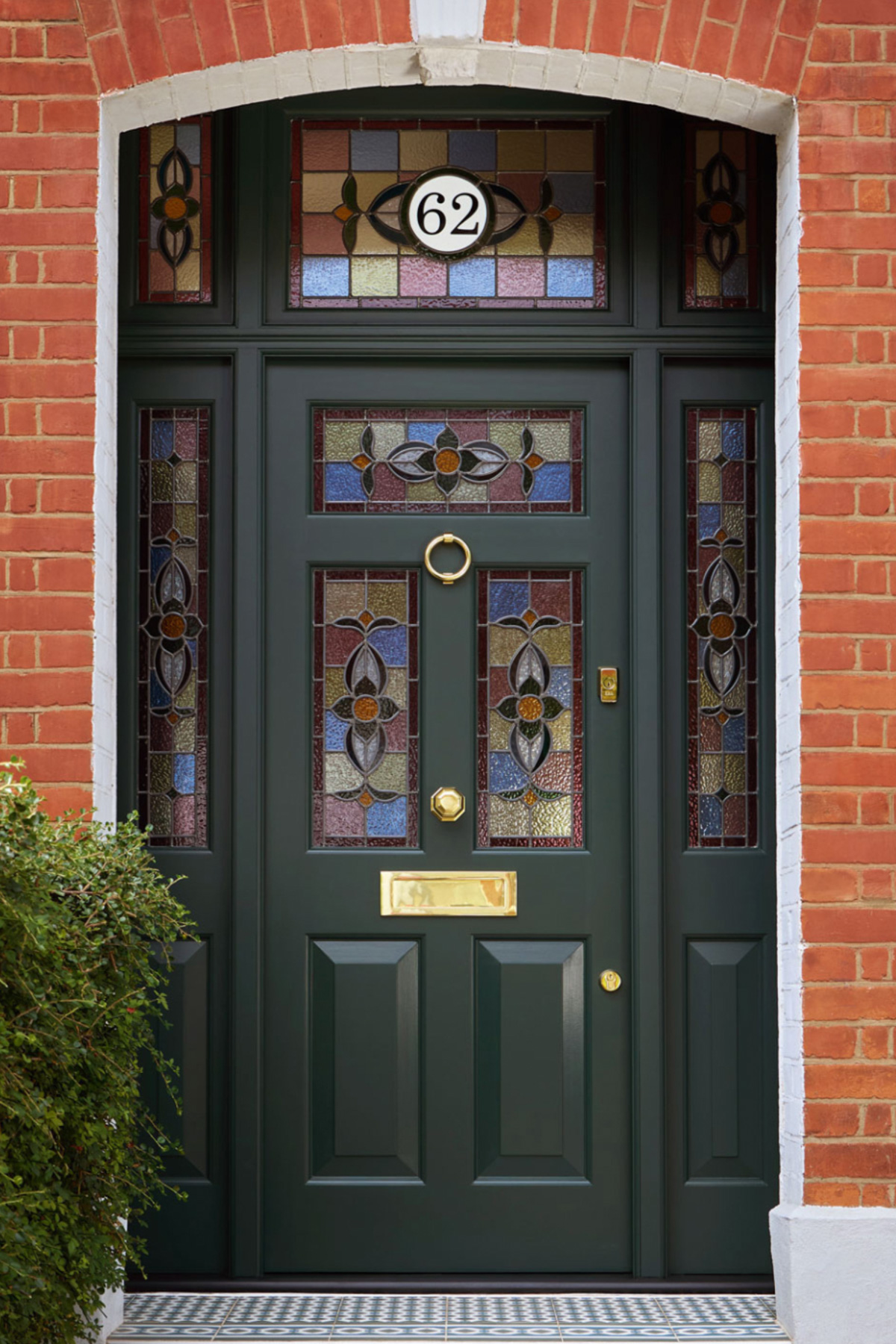
Sidelights and transoms: Flanking the door with narrow glass panels (sidelights) or adding a window above it (transom) changes the scale of your entry, and it's much easier to plan for structurally up front than to add later.
A few additional things to consider regarding configuration:
Left-hand vs. right-hand swing: This one isn't about style; it's strictly functional. Stand outside facing the door, and if the hinges are on your left and it swings toward you when you pull it open, that's a left-hand door (and the reverse for right-hand). It really comes down to your entryway layout, which way you naturally walk in, where furniture or a stair rail sits, and making sure the door doesn't block a coat closet or hallway when it swings open.
Slab vs. prehung: A slab door is just the door itself, no frame, hinges, or threshold included, and it only makes sense if your existing frame is still perfectly square. A prehung door comes pre-mounted in its own factory frame with the hinges attached, ready to set into the rough opening as one unit.
In-swing vs. out-swing: Most exterior doors swing inward, both for weathertightness and because code usually requires it, but it's still worth double-checking before you order. This matters more than you'd think if you're adding a storm door or have furniture close to the entry that could get in the way once the door's open.
Rough opening and threshold height: Measure your existing opening before you order anything; don't assume it matches a "standard" size. Older houses can settle unevenly over the years, and a mismatched threshold can turn a straightforward install into a much bigger framing project
Style: where the personality comes in
This is where the browsing rabbit hole gets deep. Exterior door styles span dozens of architectural movements, and it's easy to lose an afternoon scrolling through all of them.
The easiest way to narrow it down is to look at what your home is already telling you.
Do clean geometry and simple lines feel right? That's craftsman, contemporary, mid-century modern, or coastal territory.
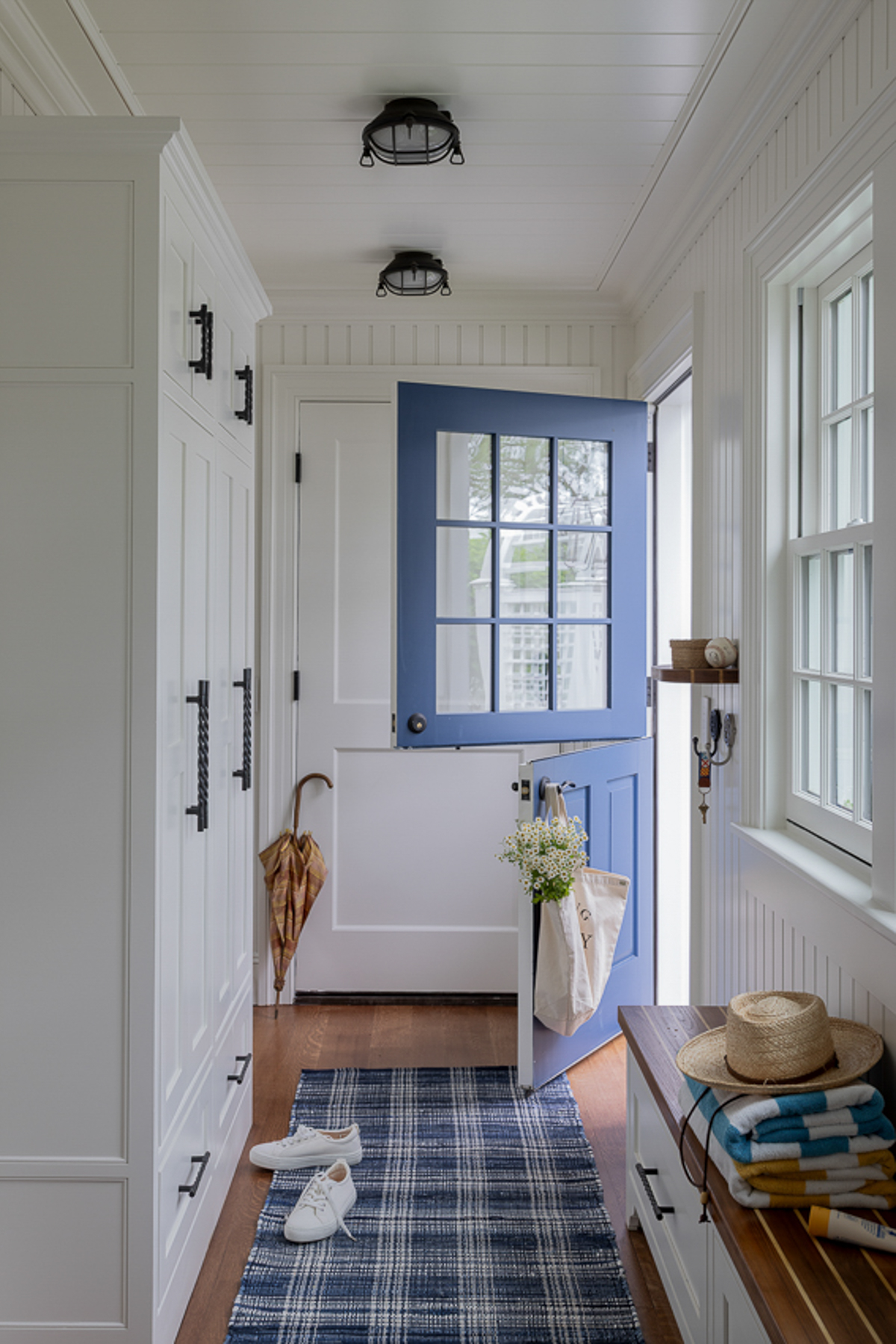
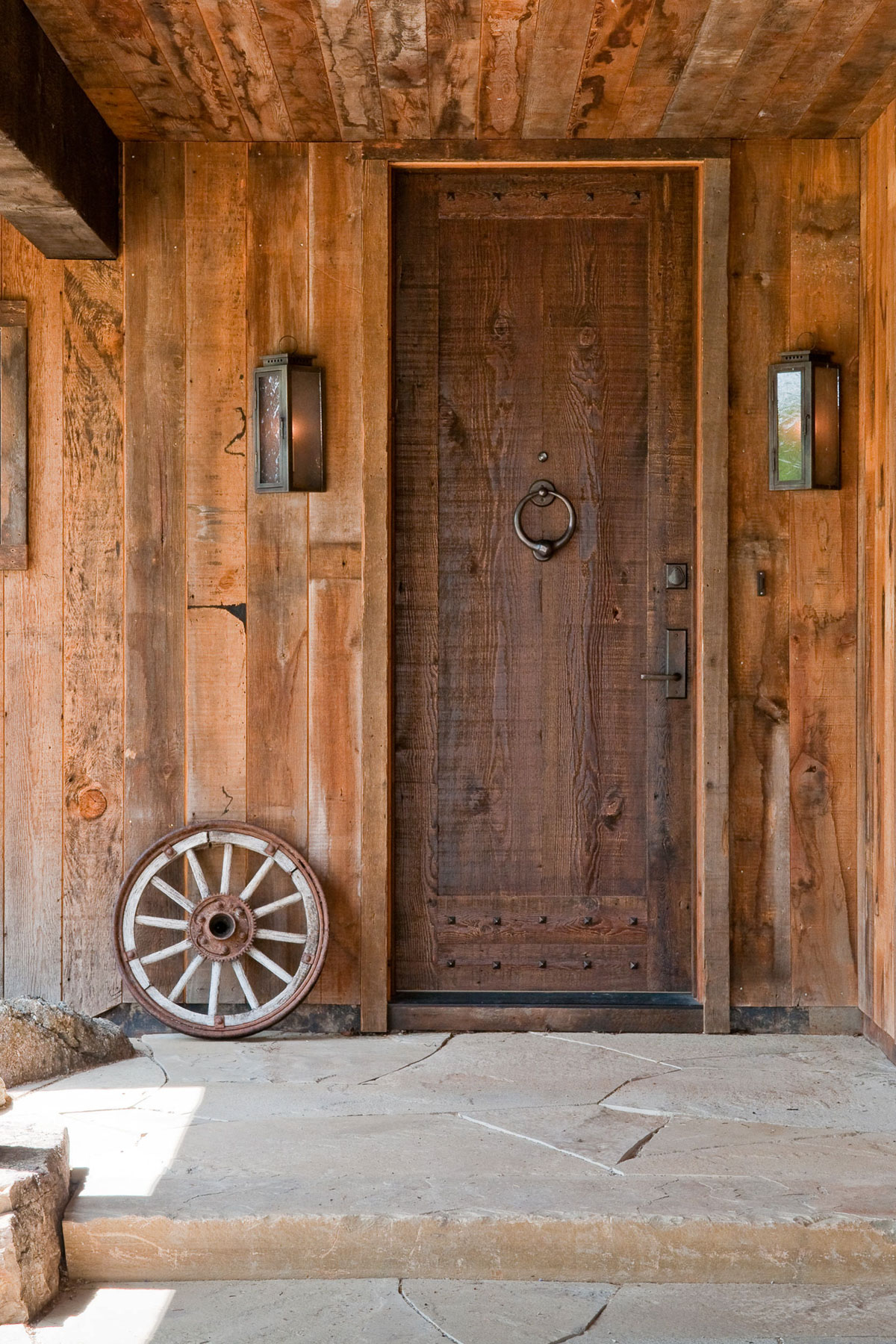
Are you drawn to something cozier and more textured? Modern farmhouse, rustic, Dutch, and western styles all lean into that.
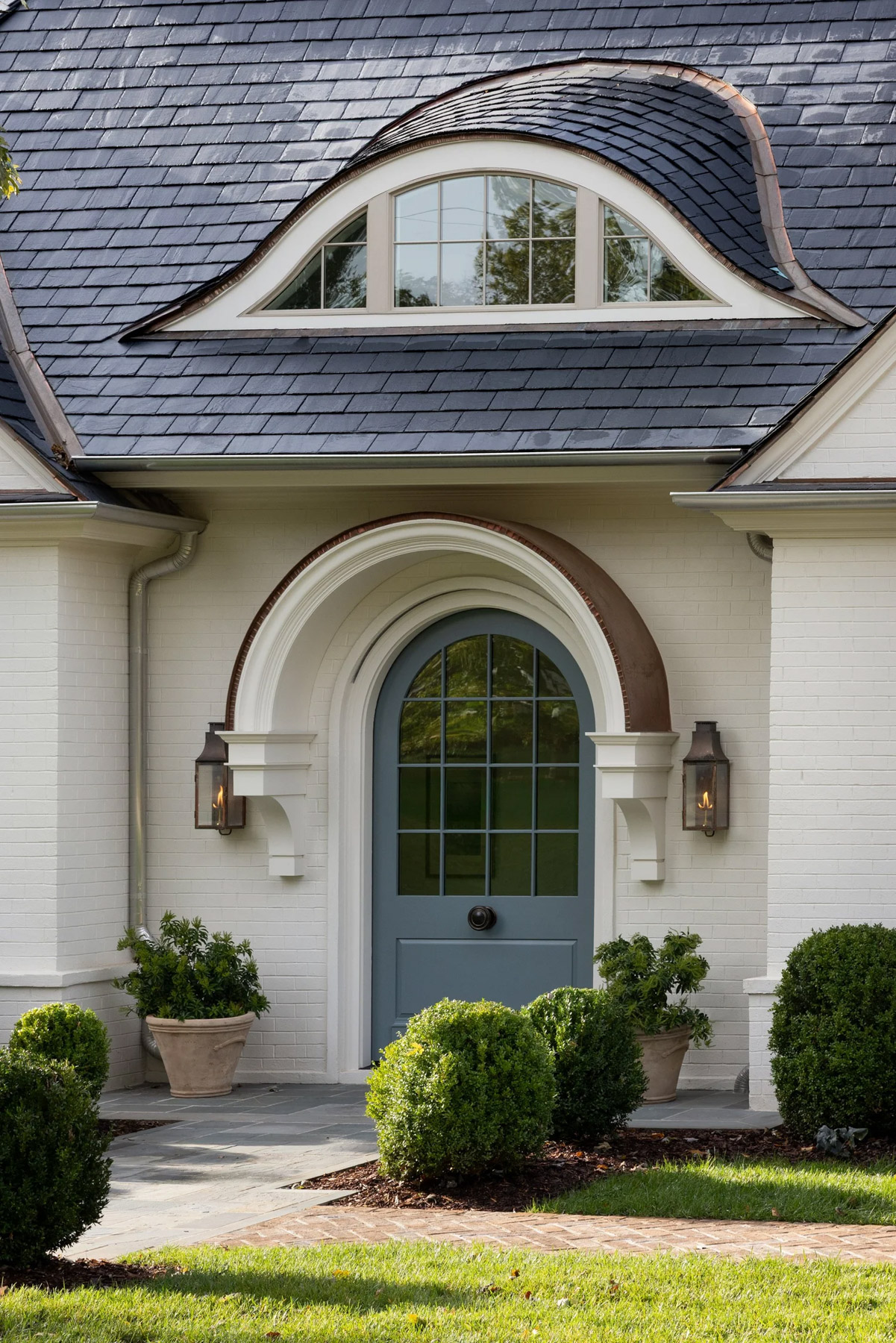
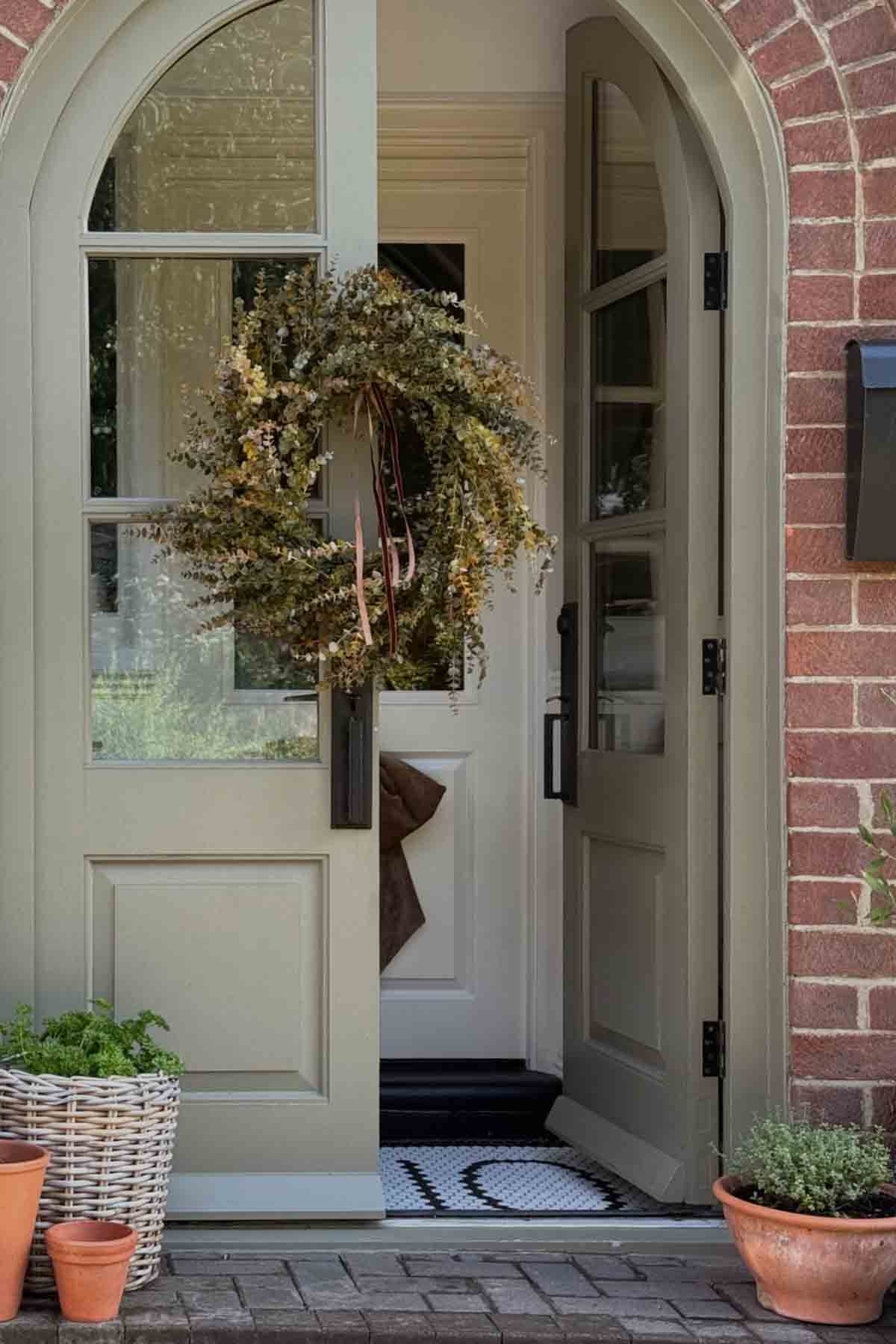
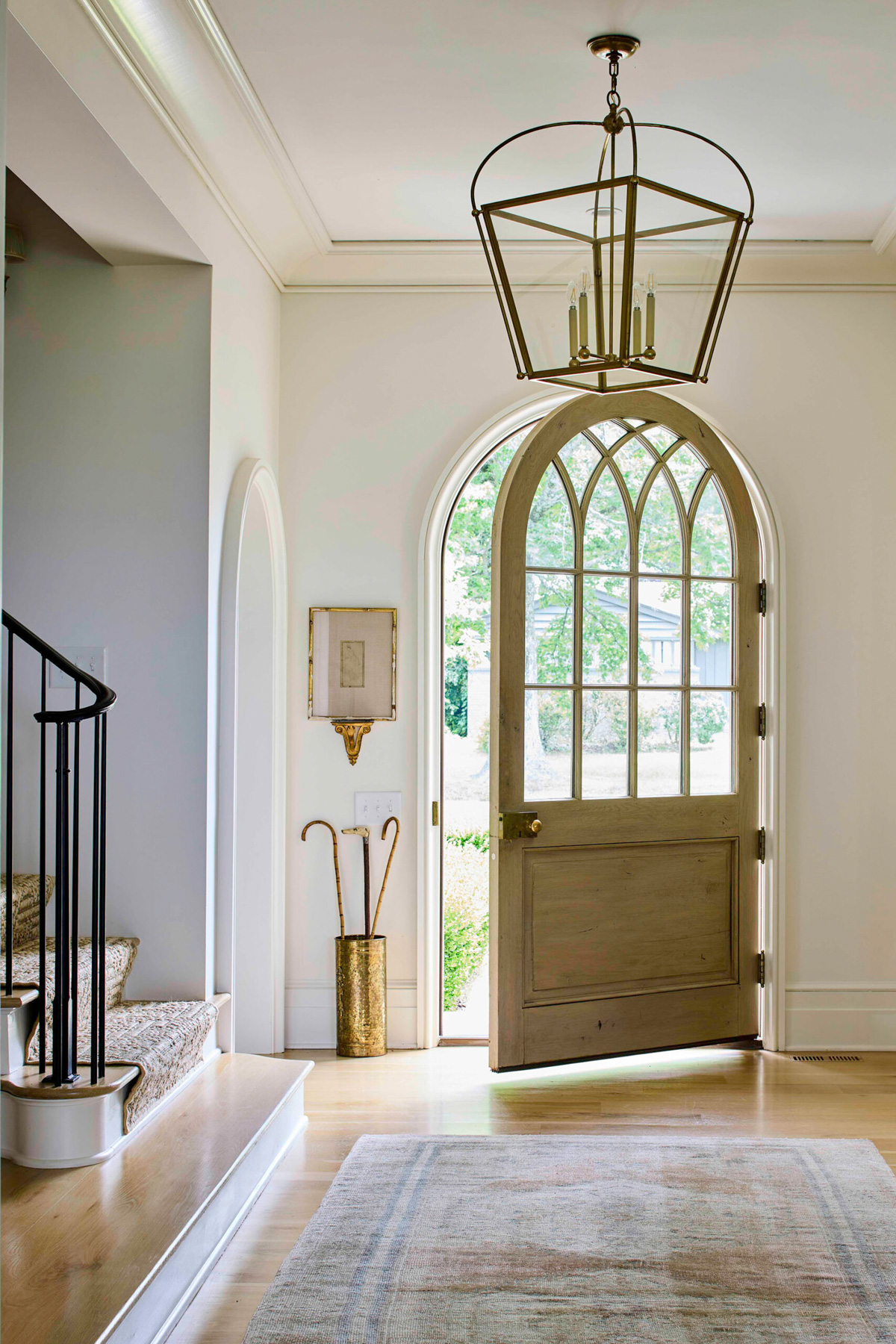
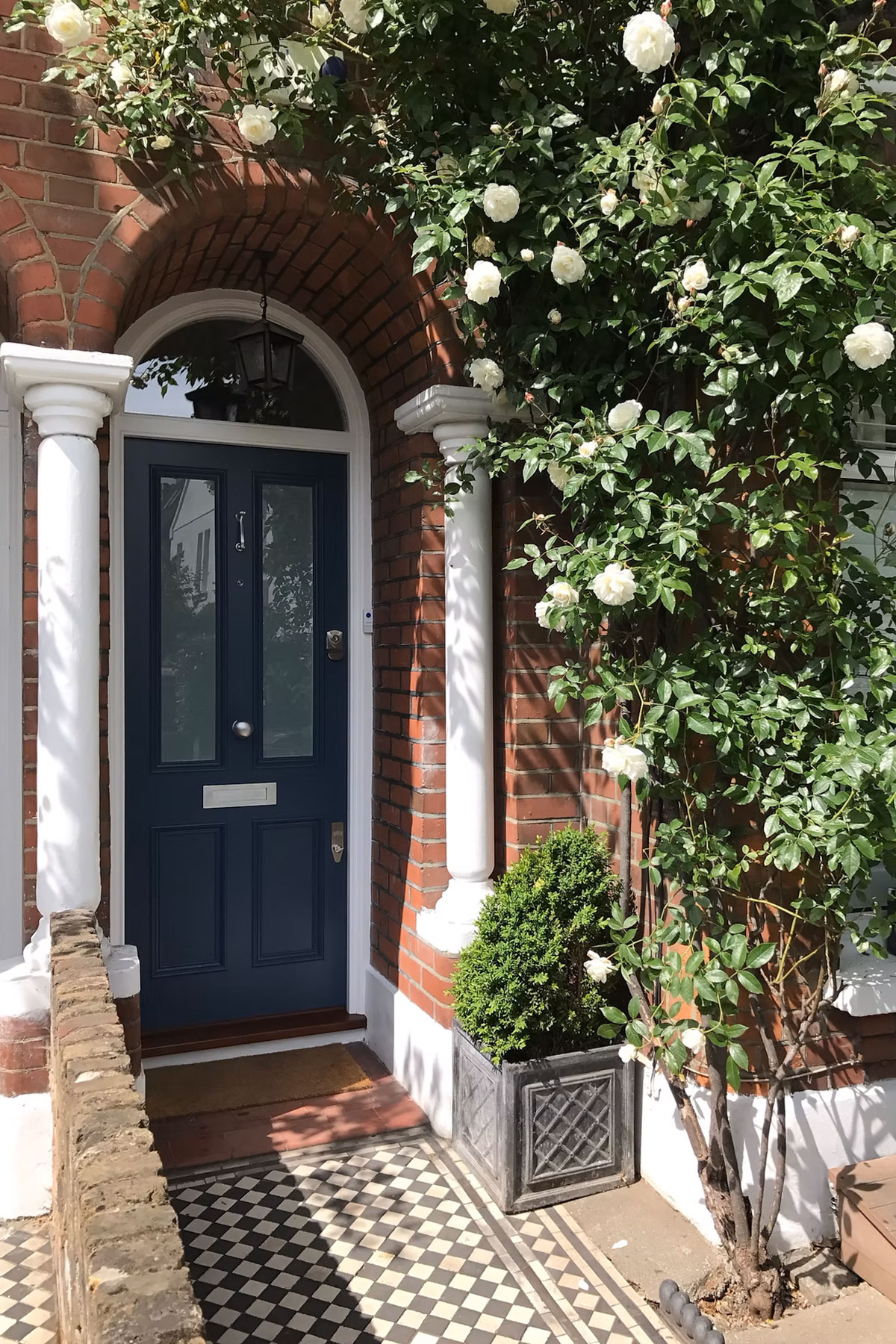
Does your facade suit dramatic, old-world curves? Arched and round-top, Mediterranean, and Spanish styles bring that in.
Or are you after something more classic and formal? Traditional, French, and wrought iron doors tend to make more of a state
Glass is its own decision, separate from style. Once you know you want glass in the door, the real question is how much visibility and light actually suits your entryway.
Full glass panels: Floods the entry with natural light, but you'll feel it every time a delivery driver or guest walks up the porch steps and can see straight in.
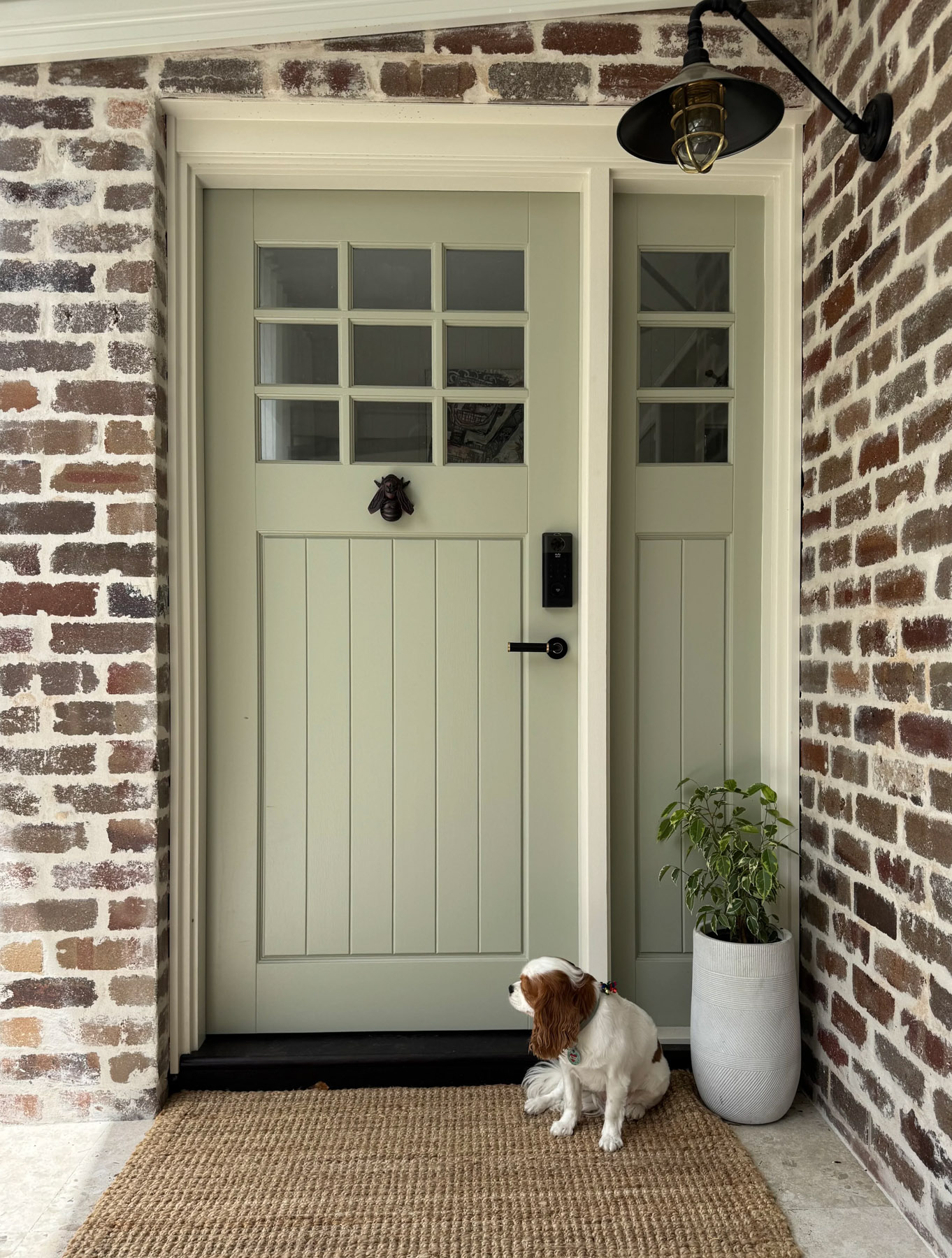
Three-quarter or half lite: A classic balance, glass across the upper portion of the door brings in plenty of light while a solid panel at the bottom keeps that traditional, grounded look.
Divided lite: Small panes split by grille bars read as classic and architectural, and pair naturally with Craftsman or traditional styles.
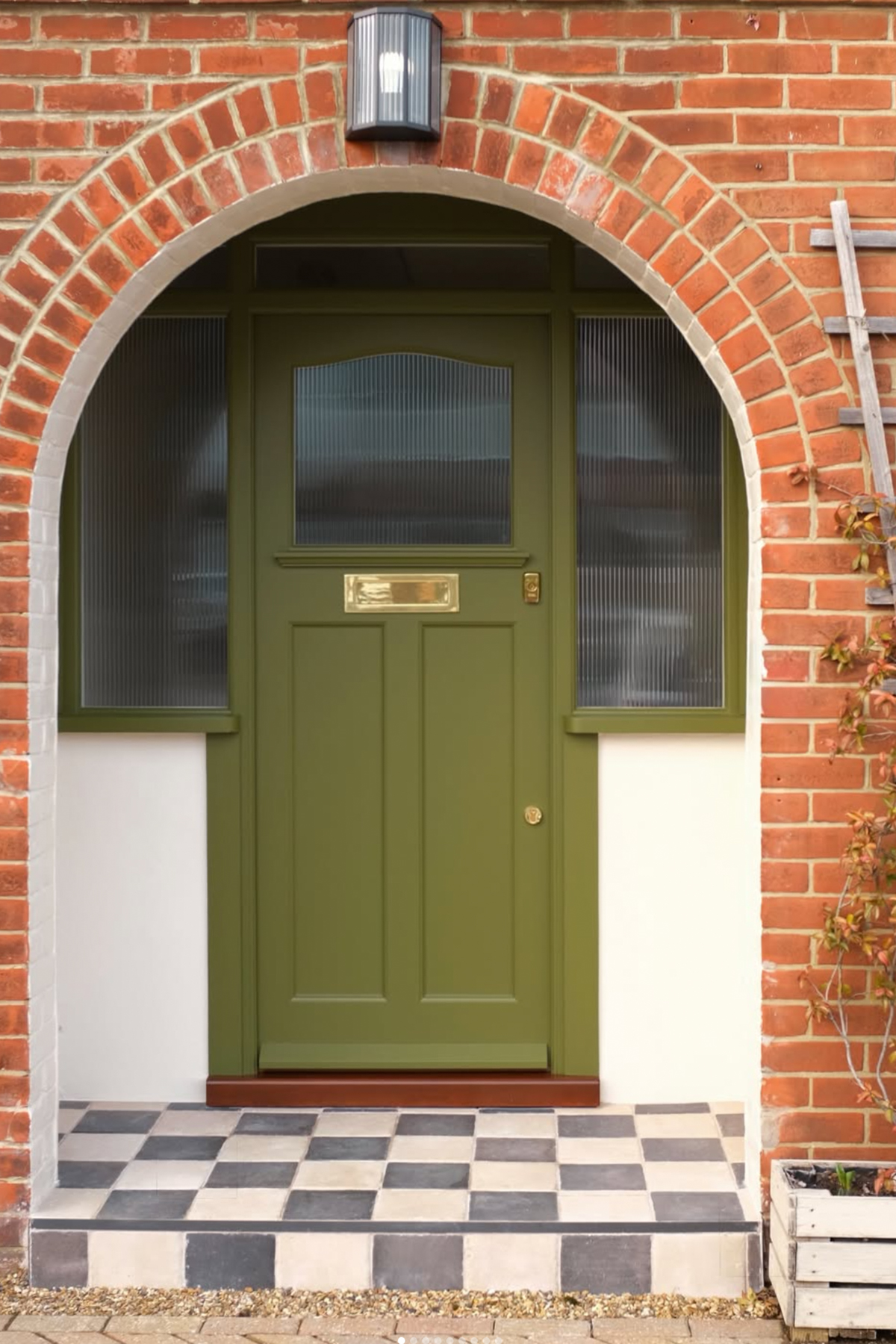
Decorative or textured glass: The middle-ground option; it lets light spill in without giving anyone on the porch a clear view inside.
No glass: Maximum privacy and the best thermal performance, but it can leave a small entry hall feeling dark and closed off.
These details rarely make the spec sheet, but they're the difference between a door that looks right and a door that actually works. Missing any one of them can create headaches later or compromise the whole installation.
Hardware finish: Whether you pick matte black, aged brass, or brushed nickel, consider how the handle set and deadbolt coordinate with your house numbers, light fixtures, door color, etc.
Paint or stain color: Most wood and fiberglass doors arrive primed or bare, not finished. It's easy to overlook this when you're comparing style and price, but budget for paint or stain as a separate line item, including labor if you're not doing it yourself.
Weatherstripping & energy efficiency: Check the door's U-factor rating and whether it includes quality, adjustable weatherstripping.
Security & smart locks: If you want a smart lock or multi-point locking system, confirm it's compatible with the door core before ordering. Retrofitting electronic hardware into certain door types can be surprisingly complicated. Confirm with the manufacturer rather than assuming it's a simple swap-in installation.
Beyond aesthetics
What surprised me most during this journey was realizing that choosing a front door is really about choosing what’s right for your home as a whole. It needs to stand up to your local climate, fit your lifestyle, suit your home’s proportions, and create the kind of welcome you want every time you walk through it.
If you’re planning your own exterior renovation, here’s the order I recommend:
Material: Start by honestly assessing your climate and how much maintenance you want to take on.
Configuration & frame: Make sure your door’s layout fits the true scale of your entryway, and consider whether a prehung assembly better suits your home’s age and structure.
Style: Focus on door designs that genuinely complement your home’s architecture.
Glass: Decide how much natural light and privacy you want before falling in love with a look.
If you start with aesthetics alone, it’s easy to choose a door that won’t meet your home’s needs or climate, and forget details like hardware and finish options until it’s too late.